
Quick Overview
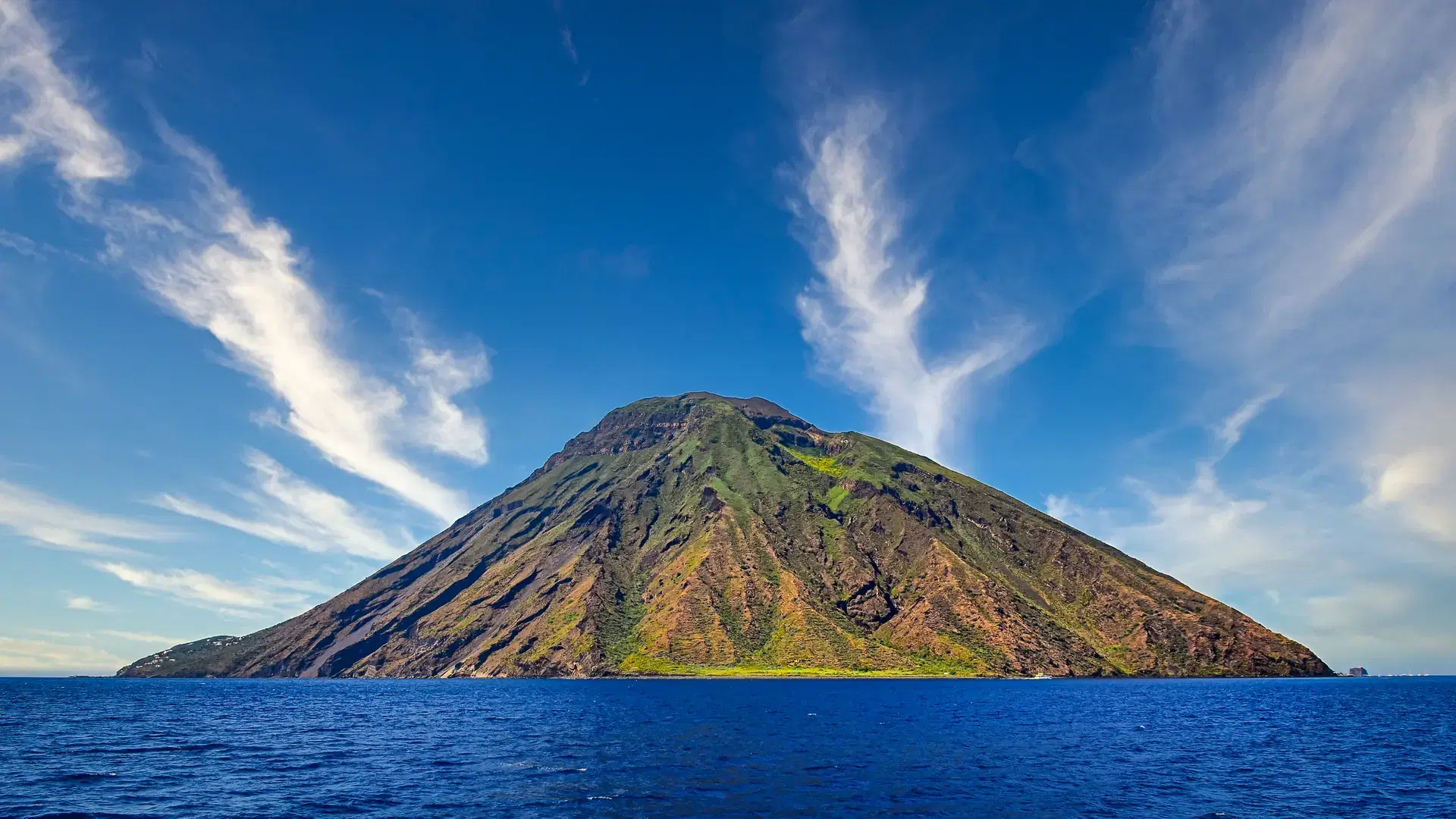
Tristan da Cunha, the most isolated inhabited island on Earth, rises from the South Atlantic with jagged cliffs and volcanic peaks. Its tiny community and pristine environment offer adventurous travelers a rare glimpse into life far from modern bustle. Cruisers visiting here are treated to sweeping ocean views, unique wildlife, and the chance to explore an island largely untouched by time.
Why Visit
Visitors come to Tristan da Cunha for its extraordinary isolation, spectacular scenery, and wildlife encounters. The island's volcanic landscapes are dramatic and raw, providing opportunities for photography and exploration unlike anywhere else. The close-knit community welcomes guests, giving insights into island life, traditional fishing, and local crafts. This is a destination for adventurers seeking authenticity, breathtaking vistas, and a connection with nature in one of the most remote corners of the globe.
Things To Do
Top Activity 1: Explore Edinburgh of the Seven Seas Walk through the island's main settlement, Edinburgh of the Seven Seas, to see colorful homes, visit local shops, and meet residents who share stories of life in this remote community.
Top Activity 2: Hike Queen Mary's Peak Ascend the volcano that dominates the island, Queen Mary's Peak. The hike offers unparalleled views of the surrounding Atlantic and an unforgettable perspective on Tristan da Cunha's rugged terrain.
Lesser Known Gem: Wildlife Watching Spot native birds, seals, and unique species that thrive in the island's undisturbed habitats. Early morning and late afternoon provide the best light and chances for sightings.
Cruise Port Information
Tristan da Cunha has a small, sheltered anchorage suitable for expedition and smaller cruise ships. Disembarkation is typically by tender, and excursions are guided to ensure safety and respect for the fragile environment. The port is minimally developed, emphasizing the island's natural beauty and providing a unique adventure for travelers who appreciate remote destinations. Advance planning is essential due to the island's limited facilities and variable weather conditions.
Practical Tips
Spring: 50 to 65 °F Summer: 55 to 70 °F Autumn: 50 to 65 °F Winter: 45 to 60 °F
Wear layered clothing for changing conditions, sturdy shoes for rocky terrain, and bring binoculars for wildlife observation. Follow guides' instructions carefully due to rugged paths and sensitive habitats.