Quick Overview
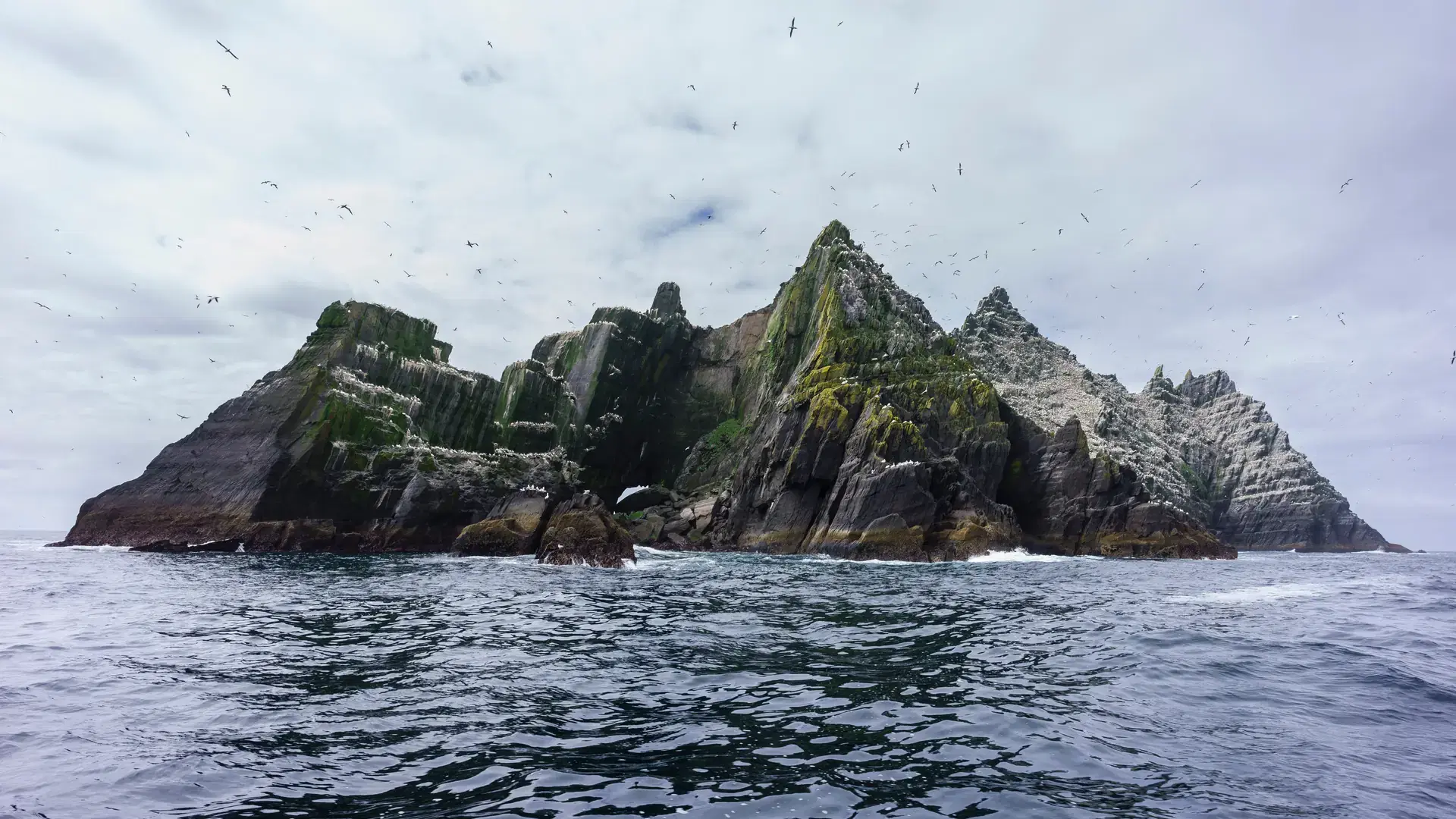
The Skelligs, a pair of remote rocky islands off the Kerry coast, are famed for their dramatic cliffs, ancient monastic settlements, and thriving wildlife. Rising sharply from the Atlantic, these islands offer a raw, untamed beauty that draws nature lovers, history enthusiasts, and photographers alike. With puffins, seals, and seabirds adding life to the landscape, and UNESCO-recognized early Christian ruins telling stories of early monastic life, the Skelligs promise a memorable, off-the-beaten-path cruise destination.
Why Visit
Visitors come to the Skelligs for a unique combination of history, wildlife, and spectacular scenery. Skellig Michael, the larger island, houses a remarkably preserved 6th-century monastery perched on sheer cliffs, accessible only by steep stone steps. Birdwatchers revel in the islands' colonies of puffins and other seabirds, while the rugged cliffs and Atlantic waves provide breathtaking photographic opportunities. The islands' isolation, combined with their cultural significance and dramatic landscapes, makes them a destination unlike any other in Ireland.
Things To Do
Top Activity 1: Monastic Ruins Explore the ancient stone monastery on Skellig Michael, navigating narrow steps and terraces while soaking in panoramic views of the Atlantic and surrounding cliffs.
Top Activity 2: Wildlife Watching Observe puffins, gulls, and other seabirds nesting on the cliffs, and spot seals lounging on rocky outcrops, experiencing the Skelligs' vibrant natural life.
Lesser Known Gem: Little Skellig Visit Little Skellig from a distance to witness one of the largest gannet colonies in the world, a breathtaking spectacle of white birds covering the rugged rock faces.
Cruise Port Information
Access to the Skelligs is generally by boat from Portmagee or Valentia Island, with small passenger vessels navigating the Atlantic waters. Landing on Skellig Michael is seasonal and weather-dependent, with safety briefings and limited visitor numbers ensuring preservation of the site. Cruises often include guided commentary about the islands' history, geology, and wildlife, providing a richer understanding of this remarkable location.
Practical Tips
Spring: 45 to 55 F Summer: 55 to 65 F Autumn: 50 to 60 F Winter: 40 to 50 F
Wear sturdy footwear and warm, waterproof clothing. Boat transfers can be choppy, and landing is dependent on calm sea conditions. Guided tours enhance safety and the overall experience.
The Skelligs, Ireland Sailings
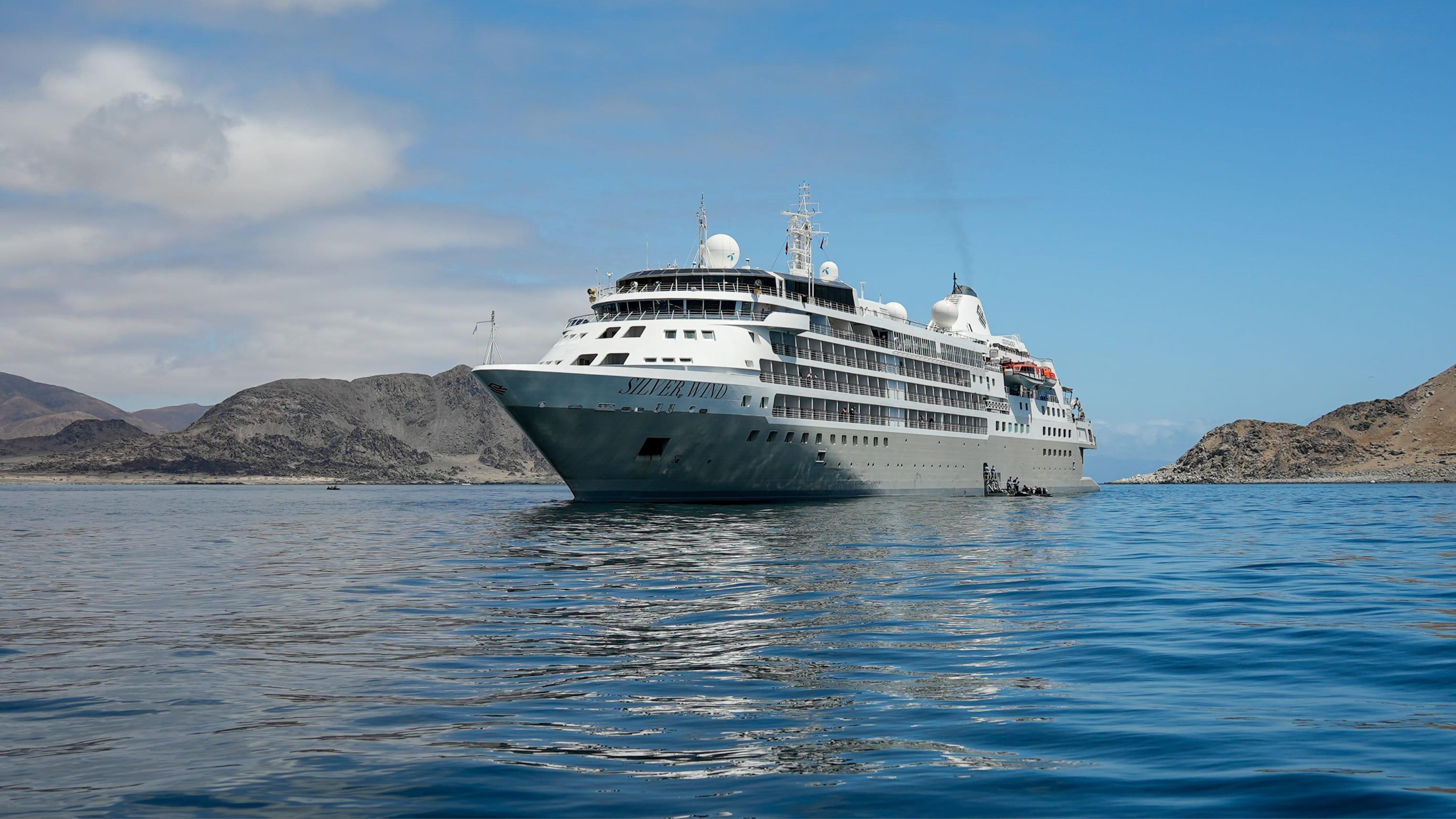

16 NIGHT Expedition CRUISE
STARTING AT
$15150.00
per person