
Quick Overview
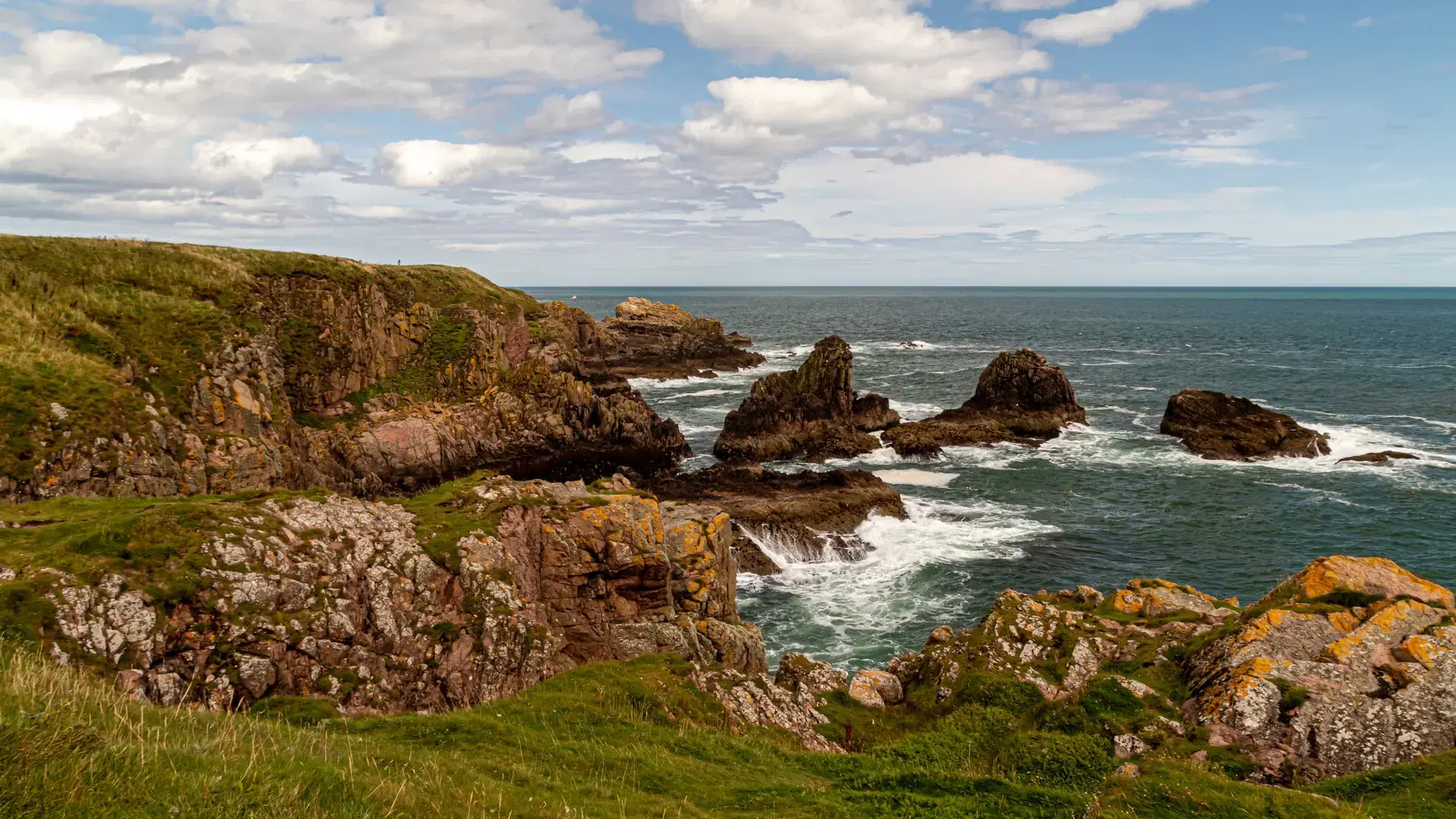
St. Kilda, perched off the northwest coast of Scotland, is a rugged archipelago known for its dramatic cliffs, seabird colonies, and remote beauty. A UNESCO World Heritage Site, the islands offer visitors a rare chance to experience untouched landscapes, historical ruins, and unique wildlife. Its isolation and striking scenery make St. Kilda a bucket-list destination for cruise travelers seeking adventure and natural wonder.
Why Visit
Visitors come to St. Kilda for its breathtaking natural landscapes and fascinating history. The islands are home to massive seabird populations, including puffins and gannets, and offer stunning views of cliffs plunging into the Atlantic. History enthusiasts will appreciate the ancient stone houses and remnants of the island's former crofting community, revealing a way of life that persisted for centuries in this remote location. St. Kilda offers a combination of wildlife, scenery, and culture unlike anywhere else.
Things To Do
Top Activity 1: Birdwatching Witness thousands of seabirds nesting along cliffs and sea stacks, with puffins, gannets, and fulmars providing unforgettable wildlife encounters against the backdrop of the North Atlantic.
Top Activity 2: Explore Village Ruins Walk among the stone houses, church ruins, and historical structures that tell the story of St. Kilda's once-thriving crofting community, learning about their daily life and the challenges of island living.
Lesser Known Gem: Hirta Island Hikes Venture on guided hikes across Hirta, the largest island, for sweeping views of the archipelago, spotting rare flora, and understanding the natural environment that shaped human settlement.
Cruise Port Information
Cruise ships visiting St. Kilda anchor offshore due to the islands' lack of deepwater ports. Passengers are typically transferred via tenders to landing points, where guided tours and hikes are organized. Excursions are weather dependent, and itineraries often include expert guides to ensure safe navigation and enrich the experience with local history, geology, and wildlife insights. The island's remoteness requires advance planning and adherence to conservation guidelines.
Practical Tips
Spring: 45 to 55 °F Summer: 50 to 60 °F Autumn: 45 to 55 °F Winter: 35 to 45 °F
Bring warm, waterproof clothing and sturdy footwear for hikes. Plan for limited facilities and follow guidance from guides. Transfers from ships are weather dependent, so flexible scheduling is essential.
St. Kilda, Scotland Sailings

12 NIGHT Expedition CRUISE
STARTING AT
$13250.00
per person
11 NIGHT Expedition CRUISE
STARTING AT
$11550.00
per person
11 NIGHT Expedition CRUISE
STARTING AT
$23000.00
per person