
Quick Overview
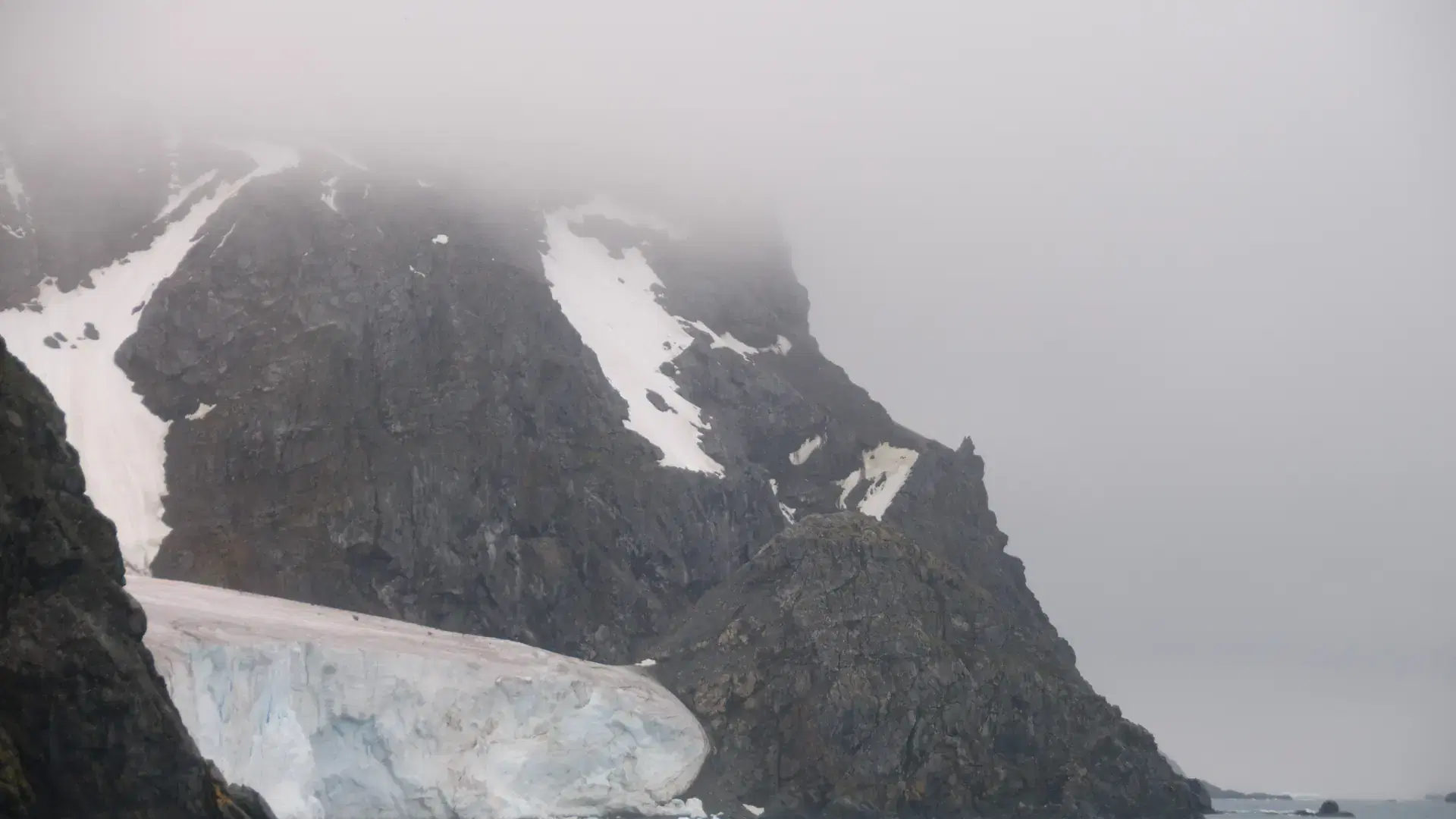
The South Orkney Islands are a remote cluster of Antarctic islands known for their dramatic ice-covered landscapes, rugged mountains, and abundant wildlife. Only accessible by expedition cruise, these islands offer a pristine environment where visitors can witness penguin colonies, seals, and seabirds against a backdrop of glaciers and snowfields. The islands' isolation and stark beauty provide an unforgettable Antarctic experience, combining adventure, wildlife observation, and the serene majesty of one of the southernmost regions of the planet.
Why Visit
Visitors come to the South Orkney Islands for unparalleled polar scenery and wildlife encounters. The islands host large populations of penguins, including gentoo and chinstrap species, as well as elephant and fur seals. Expedition cruises offer opportunities for kayaking among icebergs, zodiac excursions to remote beaches, and guided walks on snow and ice. This destination appeals to travelers seeking adventure, photography, and a chance to experience the pristine and untouched wilderness of the Antarctic, far from human development and modern distractions.
Things To Do
Top Activity 1: Wildlife Viewing Observe large colonies of penguins, seals, and seabirds in their natural habitat. Guided excursions allow close encounters while maintaining safe and respectful distances from the animals.
Top Activity 2: Zodiac Excursions Take small boat rides through icy channels and around towering glaciers. Zodiac trips provide unique perspectives of the islands' dramatic cliffs, ice formations, and floating icebergs.
Lesser Known Gem: Laurie Island Research Station Visit the historical research station on Laurie Island, operated by Argentina. Learn about Antarctic science and history while enjoying views of the surrounding glaciers and wildlife.
Cruise Port Information
Cruise ships visiting the South Orkney Islands operate as part of Antarctic expedition itineraries. Ships typically anchor offshore and use zodiacs to ferry passengers to landing sites. These voyages provide expert guides who share insights about the islands' ecology, geology, and history. Visits are carefully managed to minimize environmental impact, allowing travelers to experience this fragile polar environment safely and responsibly.
Practical Tips
Spring: 20 to 35 °F Summer: 25 to 40 °F Autumn: 20 to 35 °F Winter: 0 to 25 °F
Wear layered, insulated clothing and waterproof gear. Travel is by expedition ship with guided landings using zodiacs. All visits follow strict environmental and safety guidelines to protect the fragile Antarctic ecosystem.