
Quick Overview
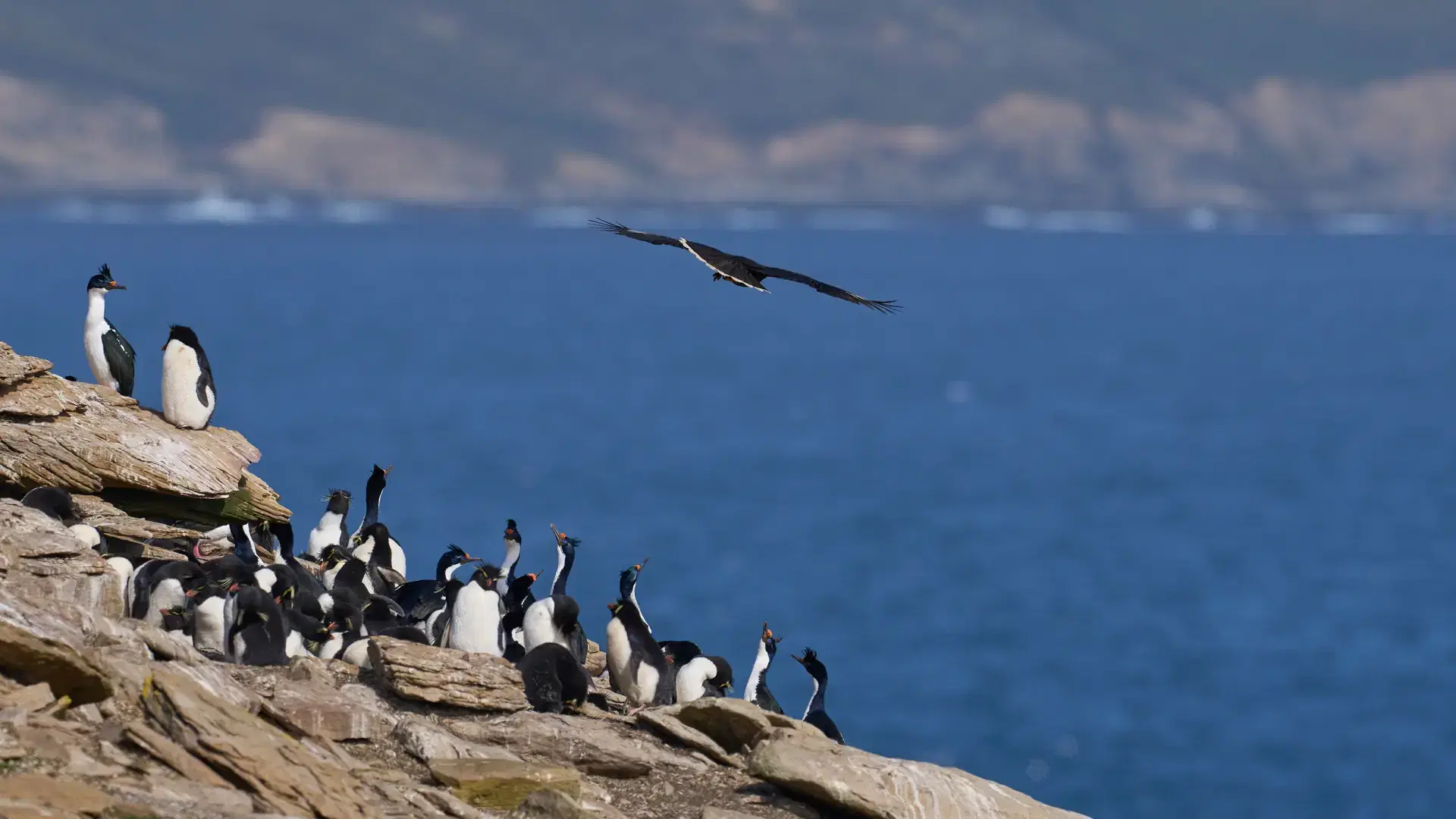
Saunders Island, part of the Falkland Islands, is a remote haven for wildlife and nature lovers. Its dramatic cliffs, expansive beaches, and crystal-clear waters create a pristine environment. Cruise passengers here can witness penguin colonies, nesting seabirds, and unique South Atlantic flora. The island offers a rare glimpse into untouched landscapes, making it an unforgettable stop for adventurers seeking wildlife, photography, and rugged natural beauty.
Why Visit
Saunders Island is celebrated for its exceptional wildlife experiences and breathtaking scenery. Visitors can observe king penguins, gentoo penguins, and black-browed albatrosses in their natural habitats. The island's landscapes of cliffs, sandy coves, and tidal flats provide endless photographic opportunities. Nature walks allow for up-close encounters with native plants and seabirds. This isolated location offers a unique chance to experience the raw beauty and tranquility of the South Atlantic, far from crowded tourist spots.
Things To Do
Top Activity 1: Wildlife Watching Explore the island's extensive penguin colonies and seabird nesting sites. Guided walks ensure safe observation while providing insights into local ecosystems and conservation efforts.
Top Activity 2: Scenic Walks Hike along cliff edges and beaches for stunning views of the South Atlantic. Trails vary from gentle strolls to more challenging routes, offering panoramic vistas of the island's rugged coastline.
Lesser Known Gem: Hill Cove Visit Hill Cove, a quiet spot with dramatic rock formations and tide pools. It is less frequented by visitors, providing solitude and opportunities to spot unique bird species and marine life.
Cruise Port Information
The port facilities on Saunders Island are basic, suitable for smaller expedition-style cruise ships. Passengers disembark via tender boats onto rocky or sandy landing sites. Guides provide safety briefings and information on local wildlife and walking routes. There are no permanent shops or restaurants, so travelers should come prepared with essentials. The island is focused on conservation, and visitors are encouraged to respect wildlife habitats and follow guidelines provided by local guides.
Practical Tips
Spring: 40 to 50 °F Summer: 45 to 55 °F Autumn: 40 to 50 °F Winter: 35 to 45 °F
Wear layered clothing suitable for wind and cold. Waterproof boots are recommended for rocky or wet terrain. Access is via expedition cruise ships with tender boats ferrying passengers to shore. Follow all instructions from guides and stay on marked paths to protect fragile ecosystems.
Saunders Island, Falkland Islands Sailings

13 NIGHT Antarctica CRUISE
STARTING AT
$26400.00
per person
21 NIGHT Antarctica CRUISE
STARTING AT
$34300.00
per person