
Quick Overview
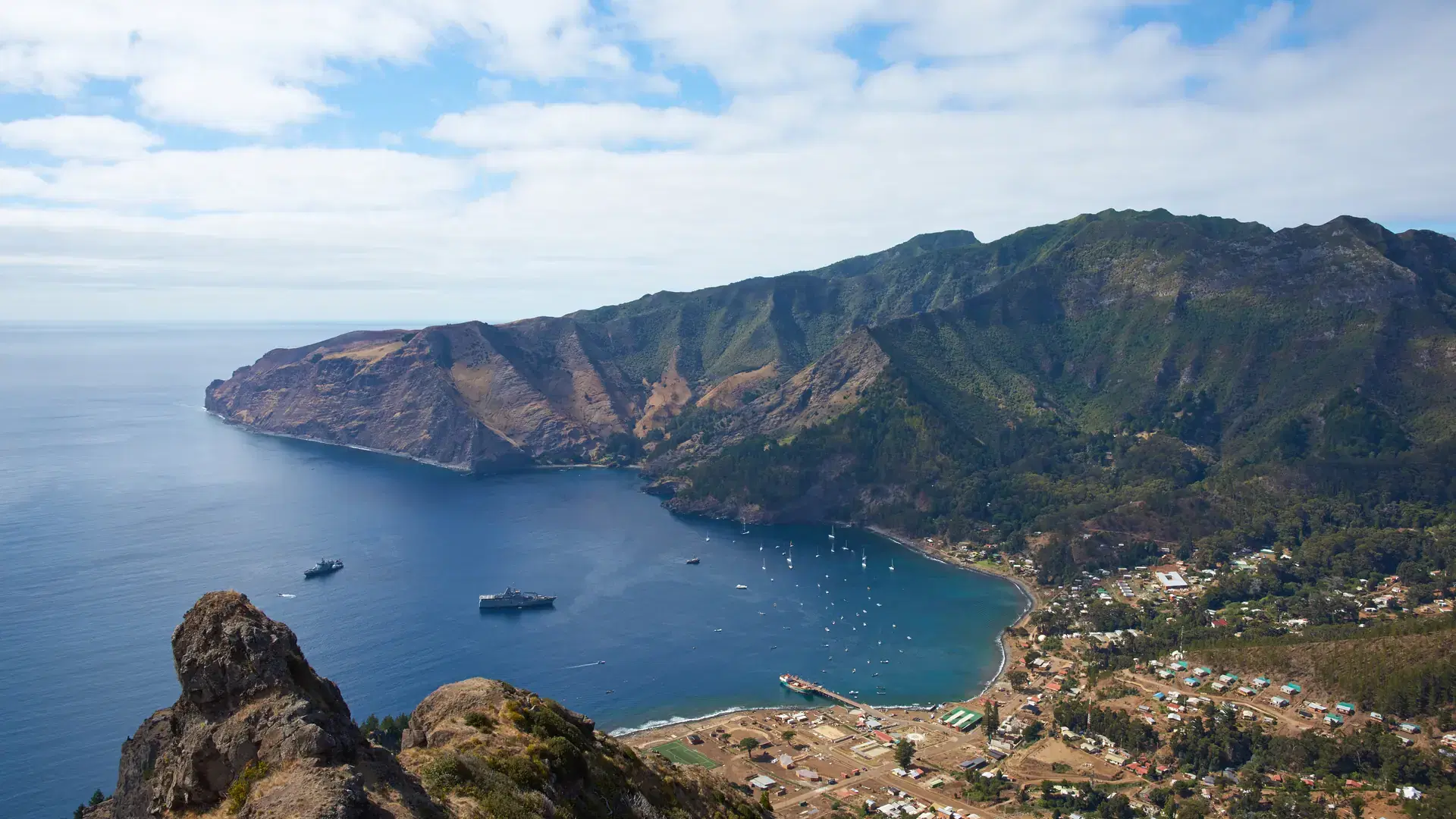
Robinson Crusoe Island is a remote Chilean island in the Pacific Ocean, part of the Juan Fernández archipelago. Known for rugged cliffs, pristine beaches, and rich marine life, it offers a unique escape from typical cruise destinations. Visitors experience a wild and natural environment where history, nature, and solitude combine, giving a sense of discovery and adventure in one of the most isolated places accessible by cruise.
Why Visit
The island appeals to travelers seeking isolation, adventure, and natural beauty. It is famed for its role in maritime history and its connection to the story of Alexander Selkirk, the inspiration for Robinson Crusoe. Visitors can enjoy hiking trails, explore remote coves, and observe seabirds and endemic flora and fauna. The combination of isolation, breathtaking scenery, and cultural storytelling makes Robinson Crusoe Island a compelling and memorable stop for those eager to step off the beaten path.
Things To Do
Top Activity 1: Hiking and Nature Walks Numerous trails wind through the island's rugged terrain, offering hikers dramatic cliff views, encounters with unique plants and birds, and glimpses of secluded beaches. Guided walks provide insights into the island's ecosystem and history.
Top Activity 2: Marine Observation The surrounding waters are rich with marine life. Snorkeling and boat tours offer opportunities to see diverse fish, seabirds, and occasionally dolphins and seals. The clear Pacific waters reveal a vibrant underwater world, perfect for nature enthusiasts.
Lesser Known Gem: Historical Sites Explore remnants of old settlements, lighthouses, and the small village where local inhabitants maintain traditional practices. Learning about the island's maritime history and Selkirk's legacy adds depth to the visit.
Cruise Port Information
Cruise ships anchor offshore at designated points. Passengers are tendered to small docks or boats, as port infrastructure is minimal. Visits are typically guided to protect the fragile environment. Independent exploration is limited, ensuring safety and conservation. Local guides offer insights into history, culture, and wildlife, helping visitors fully appreciate the island's uniqueness. Facilities are basic, so guests should plan accordingly for a short but memorable stay.
Practical Tips
Spring: 59 to 68 °F Summer: 63 to 73 °F Autumn: 60 to 70 °F Winter: 55 to 65 °F
Wear sturdy shoes and layered clothing suitable for variable coastal weather. Carry water, sun protection, and a camera. Access is by tender boats and guided excursions are recommended for safety and to respect the island's protected areas.
Robinson Crusoe Island, Chile Sailings

41 NIGHT World CRUISE
STARTING AT
$8999.00
per person
70 NIGHT World CRUISE
STARTING AT
$13599.00
per person

22 NIGHT Expedition CRUISE
STARTING AT
$22950.00
per person