Quick Overview
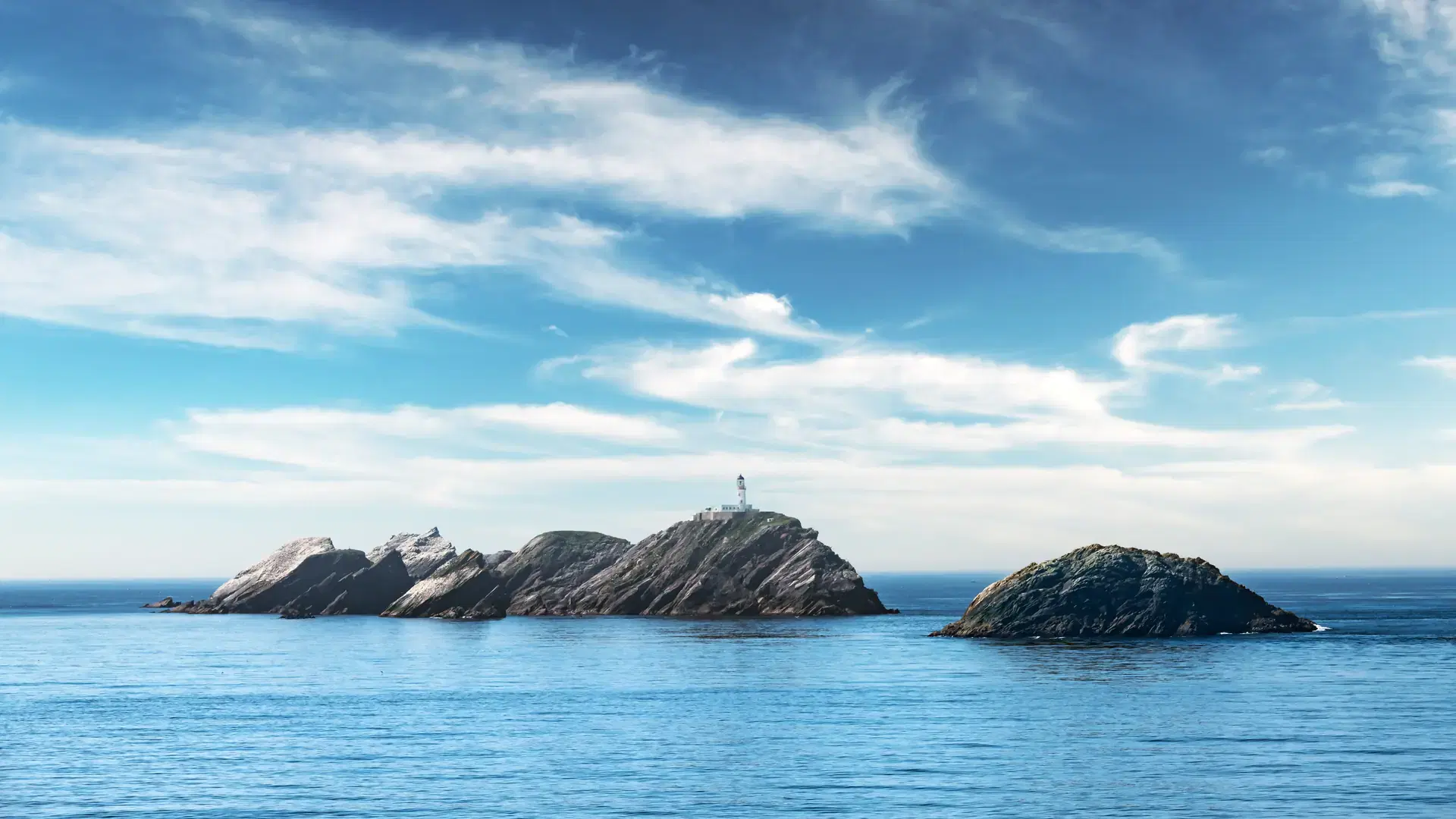
Noss is a remote Scottish island renowned for its towering cliffs, windswept shores, and rich seabird colonies. Cruise visitors enjoy breathtaking coastal scenery, dramatic wildlife sightings, and a peaceful, natural environment. The island feels wild yet accessible, offering a memorable escape for those seeking Scotland's unspoiled northern landscapes.
Why Visit
Noss appeals to travelers who value wildlife, nature, and solitude. The island is famous for its puffins, guillemots, and gannets, making it a paradise for birdwatchers. Hiking trails along cliffs offer panoramic views of the North Sea and surrounding islands. Its remote location and minimal human presence create an intimate experience with dramatic landscapes, wild flora, and the calming sound of waves, perfect for a rejuvenating cruise stop.
Things To Do
Top Activity 1: Seabird Watching Noss is home to one of Scotland's most important seabird colonies. Visitors can observe puffins, gannets, and guillemots nesting along cliffs and ledges. Guided walks provide insight into bird behavior, ecology, and conservation efforts while offering spectacular coastal views.
Top Activity 2: Cliffside Walks Hiking paths along the island's dramatic cliffs offer expansive views of the North Sea, nearby Shetland islands, and the rugged coastline. Walks vary in length and difficulty, allowing visitors to choose routes for breathtaking vistas, photography, and immersive nature experiences.
Lesser Known Gem: Hidden Inlets Exploring small coves and inlets reveals quiet beaches, tidal pools, and opportunities to spot marine wildlife. These secluded areas offer peaceful moments away from main paths, perfect for contemplation and connecting with the raw beauty of Noss.
Cruise Port Information
Cruise ships anchor offshore, and passengers are tendered to the island or nearby landing points. Most exploration is on foot, with clearly marked trails and observation points. Excursions often include guided walks focused on wildlife, geology, and island ecology. Facilities are minimal, emphasizing the natural environment. Visitors should plan for weather variability and bring sturdy shoes and layers for a comfortable experience.
Practical Tips
Spring: 36 to 50 °F Summer: 50 to 59 °F Autumn: 41 to 54 °F Winter: 32 to 45 °F
Wear warm, windproof layers and sturdy footwear for rocky terrain. Bring binoculars for birdwatching and a camera for scenic photography. Weather can change quickly, so pack waterproofs. Most exploration is on foot, and guided tours enhance safety and insight into wildlife and natural features.
Noss, Scotland Sailings
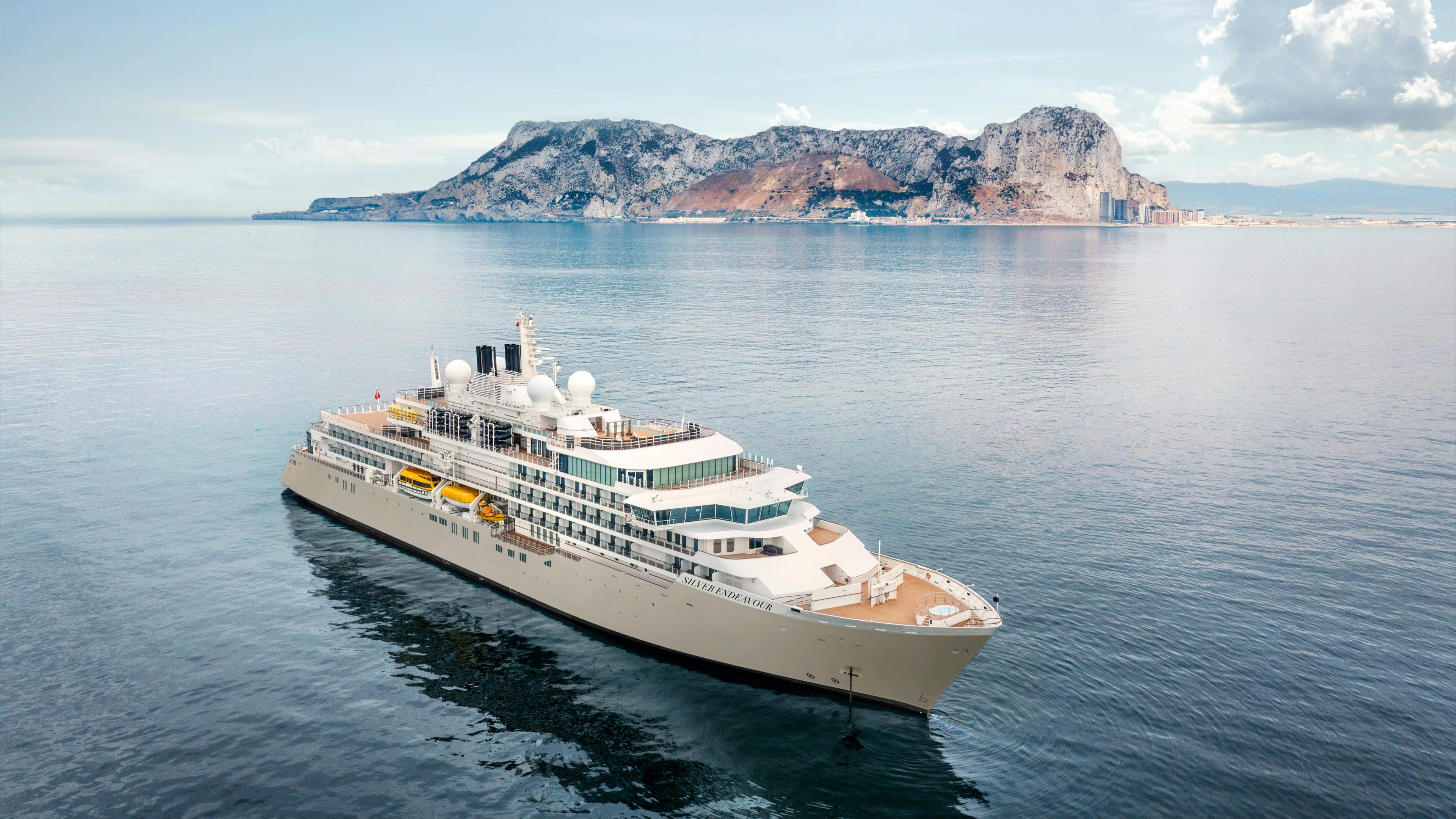

18 NIGHT Arctic CRUISE
STARTING AT
$31050.00
per person
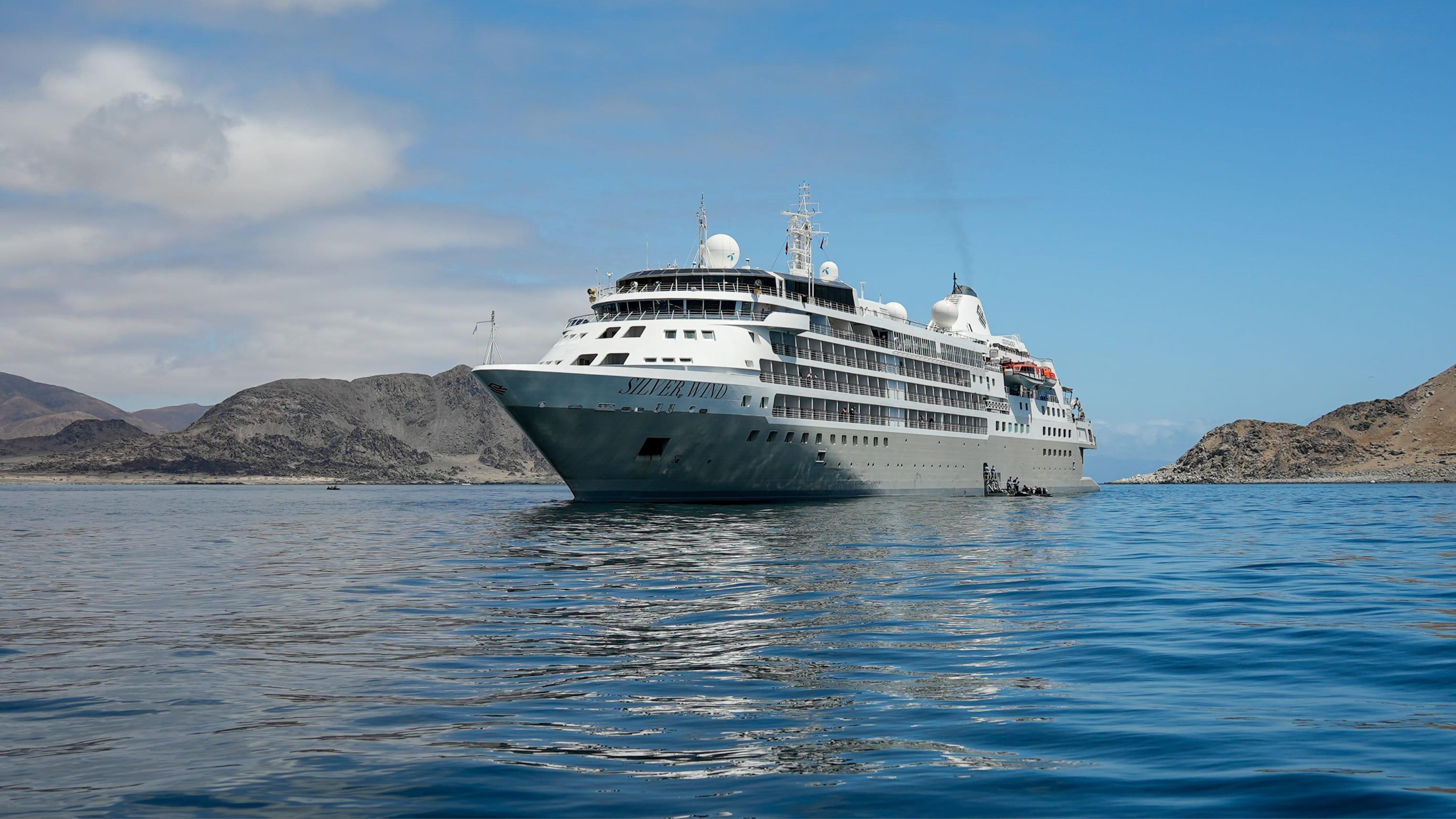
14 NIGHT Expedition CRUISE
STARTING AT
$15100.00
per person