Quick Overview
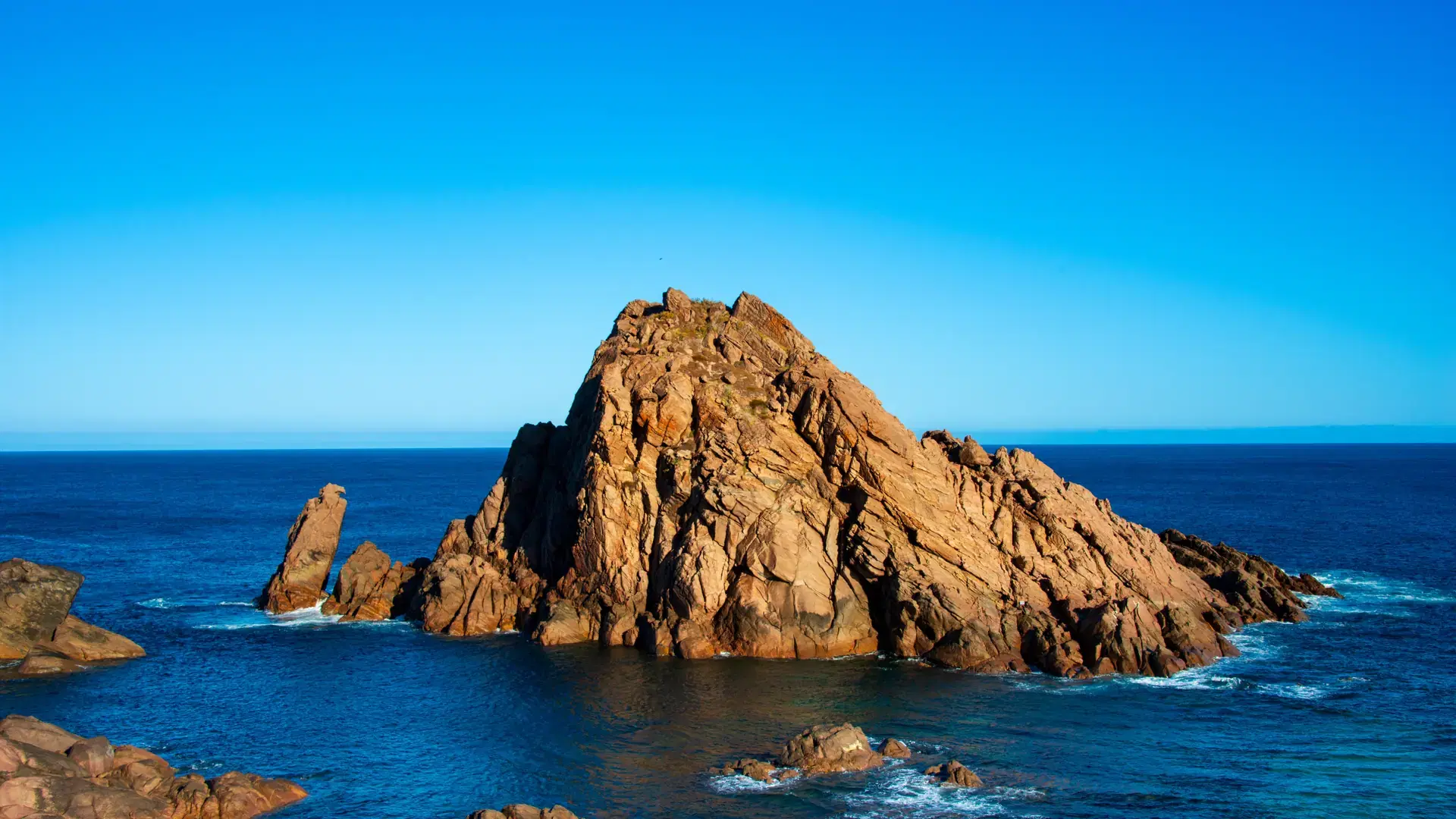
The Lacepede Islands are a remote group of coral islands off the Kimberley coast of Western Australia. Visits are rare and highly weather dependent, usually as part of expedition style cruising. There are no settlements or facilities, only protected reefs, nesting seabirds, and a powerful sense of untouched nature shaped by sea and sun.
Why Visit
The Lacepede Islands offer a glimpse into an ecosystem that has changed very little over time. This is one of the most important seabird nesting areas in Australia and a vital habitat for marine life. Visiting feels more like exploration than tourism, with every view reminding you how small humans are in the natural world. There are no shops, crowds, or noise, just wind, water, and wildlife. For travelers drawn to rare places and meaningful nature encounters, the Lacepede Islands provide a sense of privilege and perspective that few destinations can match.
Things To Do
Top Activity 1: Scenic Cruising and Observation Most experiences at the Lacepede Islands happen from the ship or small boats. Cruising slowly along the reefs allows you to observe seabirds circling overhead and turtles surfacing near the water. The colors of reef and sea shift constantly with the light, making deck time especially rewarding.
Top Activity 2: Wildlife Watching with Experts Onboard naturalists help interpret what you see, from bird behavior to reef ecology. Depending on conditions, you may spot turtles, rays, and large seabird colonies. Listening to expert commentary adds depth to the experience and highlights the importance of protecting such fragile environments.
Lesser Known Gem: The Sense of Isolation One of the most striking aspects of the Lacepede Islands is the feeling of total remoteness. With no buildings or human noise, the only sounds are waves and birds. Standing on deck and absorbing that quiet is a rare and grounding travel moment.
Cruise Port Information
The Lacepede Islands have no port infrastructure or landing facilities. Ships remain offshore, and any small boat operations depend entirely on sea conditions and environmental regulations. Landings are uncommon and tightly controlled to protect wildlife. Most visits are scenic and educational, guided by expedition staff. Schedules can change quickly due to tides, wind, and conservation needs, which is normal for this region. Flexibility is essential and part of the adventure.
Practical Tips
Spring: 70 to 85 F Summer: 85 to 95 F Autumn: 75 to 90 F Winter: 65 to 80 F
Spend time on open decks for the best wildlife viewing, but protect yourself from sun with hats and sunscreen. Light breathable clothing is ideal in warm conditions. There is no transport ashore, and all activities depend on weather and wildlife considerations. Embrace patience and observation rather than expectation.
Lacepede Islands Sailings
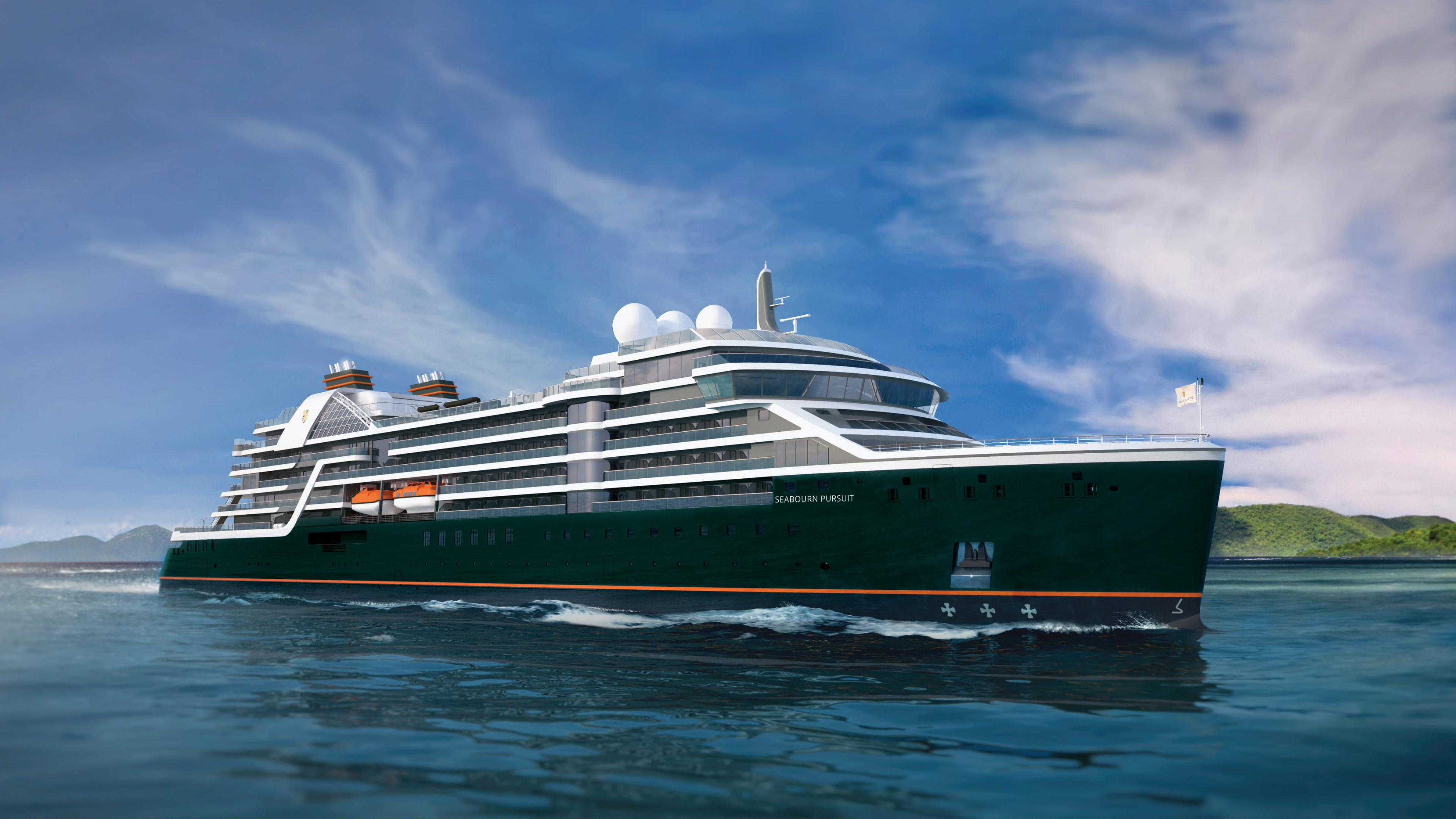

10 NIGHT Australia CRUISE
STARTING AT
$17698.00
per person
26 NIGHT South Pacific CRUISE
STARTING AT
$24298.00
per person