
Quick Overview
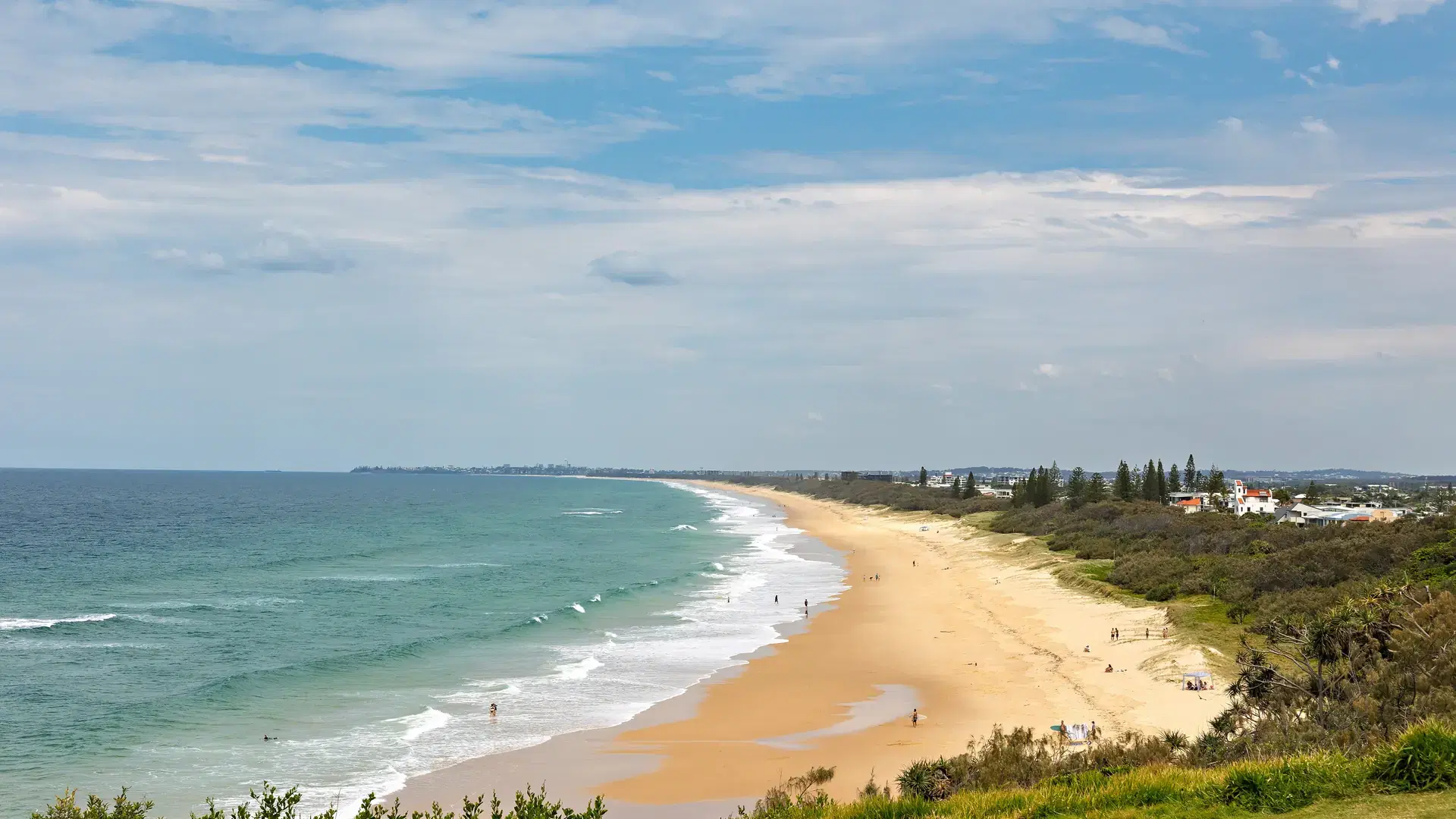
Kuri Bay sits in the remote Kimberley region of Western Australia, an area known for dramatic landscapes and powerful natural beauty. Cruise ships anchor offshore, and visits focus on scenery, wildlife, and the feeling of being far from everyday life. There are no towns or tourist centers here, just raw coastline, open sky, and ancient land.
Why Visit
Kuri Bay is about immersion rather than activity. This part of Australia feels timeless, shaped by tides, rock, and heat rather than people. The coastline is striking, with rust red cliffs dropping into clear blue water, creating color contrasts you rarely see elsewhere. Visiting here offers perspective, reminding travelers how vast and untamed the world can be. There is a strong sense of respect for the land, which holds deep meaning for Indigenous communities even though there is no permanent settlement nearby. Kuri Bay suits travelers who value quiet moments, natural scale, and the thrill of visiting somewhere truly remote.
Things To Do
Top Activity 1: Scenic Cruising Along the Coast Most of the experience at Kuri Bay happens from the ship. Slow cruising allows you to take in the dramatic Kimberley coastline, with layered rock formations and changing light throughout the day. Being on deck as the ship moves through these waters is the best way to absorb the scale and beauty of the region.
Top Activity 2: Wildlife Spotting from the Deck The waters around Kuri Bay are home to marine life such as dolphins and seabirds, with occasional sightings of larger species depending on season. Binoculars are useful for scanning the water and shoreline. The sense of watching nature unfold without interruption is part of what makes this stop special.
Lesser Known Gem: The Colors of the Kimberley One of the most memorable aspects of Kuri Bay is the color palette. Red earth, green vegetation, and blue water shift constantly as the sun moves. Taking time to notice these changes, especially early or late in the day, adds depth to the experience.
Cruise Port Information
Kuri Bay has no port facilities, docks, or nearby settlements. Cruise ships remain offshore, and landings are rare and highly dependent on conditions and permissions. Most visits are scenic and educational, supported by onboard experts who explain the geology, wildlife, and cultural importance of the region. Plans can change quickly due to tides and weather, which is normal for the Kimberley. Flexibility and patience are essential, and the reward is an experience few travelers ever have.
Practical Tips
Spring: 70 to 85 F Summer: 85 to 100 F Autumn: 75 to 90 F Winter: 65 to 80 F
Spend time on open decks for the best views, but protect yourself from sun and heat with hats and sunscreen. Light clothing and sturdy footwear are useful even when staying onboard. There is no transport ashore, and all experiences depend on weather, tides, and safety considerations. Embrace the slow pace and sense of distance.