Quick Overview
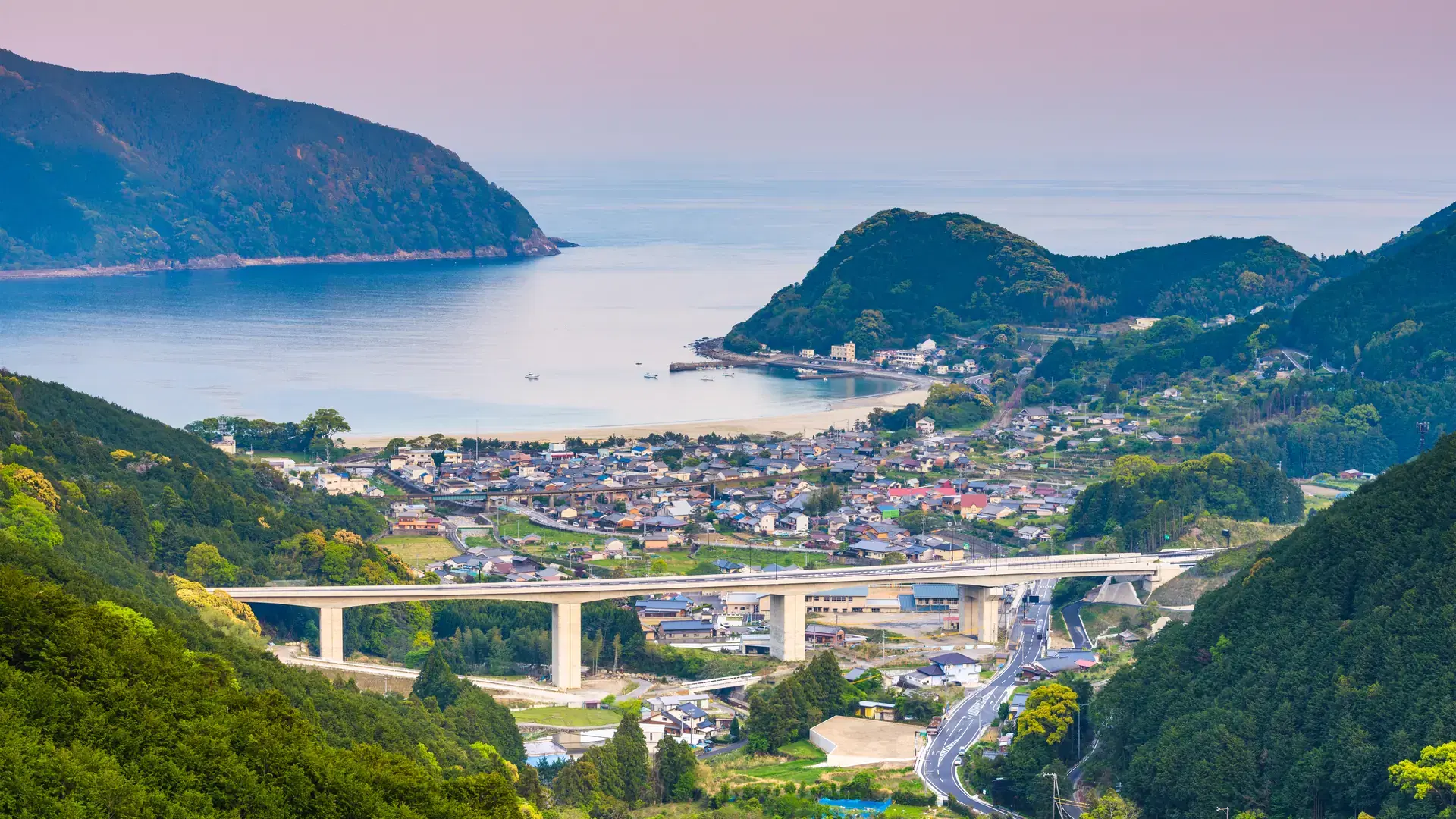
Kumano sits along Japan's Kii Peninsula and is known for sacred landscapes, coastal scenery, and centuries old pilgrimage routes. Surrounded by mountains and forest, the area feels calm and purposeful rather than busy. Cruise visits usually focus on cultural and natural highlights rather than city life. Expect shrines set in nature, scenic drives, and a sense of Japan that feels reflective and deeply connected to tradition.
Why Visit
Kumano offers an experience rooted in meaning rather than spectacle. This region has long been considered sacred, drawing pilgrims for generations who sought spiritual renewal through nature and ritual. Visitors today still feel that atmosphere in the quiet forests, flowing rivers, and carefully preserved shrines. The pace is gentle, and the surroundings invite reflection. For travelers interested in culture, spirituality, and landscapes that feel untouched by time, Kumano provides a powerful contrast to modern urban Japan. It is a place to slow down, breathe deeply, and experience tradition in its natural setting.
Things To Do
Top Activity 1: Visit Kumano Nachi Taisha and Nachi Falls One of the most iconic sights in the region is Kumano Nachi Taisha, set near Japan's tallest waterfall. The shrine complex blends seamlessly into the forested hillside, with stone paths and vermilion structures creating a striking scene. Nachi Falls nearby adds movement and sound, reinforcing the spiritual connection between nature and worship that defines the area.
Top Activity 2: Walk a section of the Kumano Kodo The Kumano Kodo pilgrimage routes wind through mountains and villages, linking sacred sites across the peninsula. Even a short guided walk offers insight into the paths used by emperors and pilgrims for centuries. Mossy stones, cedar trees, and quiet surroundings make the experience memorable without requiring strenuous hiking.
Lesser Known Gem: Coastal views near Shingu Beyond the forests, the Kumano coastline reveals dramatic cliffs, rocky shores, and open ocean views. Stops near Shingu offer fresh sea air and a different perspective on the region. The contrast between mountains and sea highlights the diversity that shapes daily life here.
Cruise Port Information
Cruise ships typically dock at ports serving the Kumano region, with transfers arranged inland to key sites. Travel times can be longer due to mountainous terrain, so excursions are carefully planned and guided. Independent exploration is limited by distance, making organized tours the best option. Facilities at the port are simple, with most amenities focused around the excursion experience rather than shopping or dining near the dock.
Practical Tips
Spring: 50 to 68 F Summer: 72 to 88 F Autumn: 55 to 72 F Winter: 40 to 55 F
Wear comfortable walking shoes suitable for stone paths and forest trails. Weather can change quickly in the mountains, so light layers and rain protection are helpful. Transportation is handled by tour buses, as public options are limited for cruise schedules. Respectful behavior at shrines is important, including quiet voices and following guide instructions.
Kumano, Japan Sailings

13 NIGHT Far East CRUISE
STARTING AT
$2217.00
per person
20 NIGHT Far East CRUISE
STARTING AT
$3744.00
per person
24 NIGHT Far East CRUISE
STARTING AT
$4070.00
per person
10 NIGHT Far East CRUISE
STARTING AT
$1449.00
per person
20 NIGHT Far East CRUISE
STARTING AT
$3137.00
per person