
Quick Overview
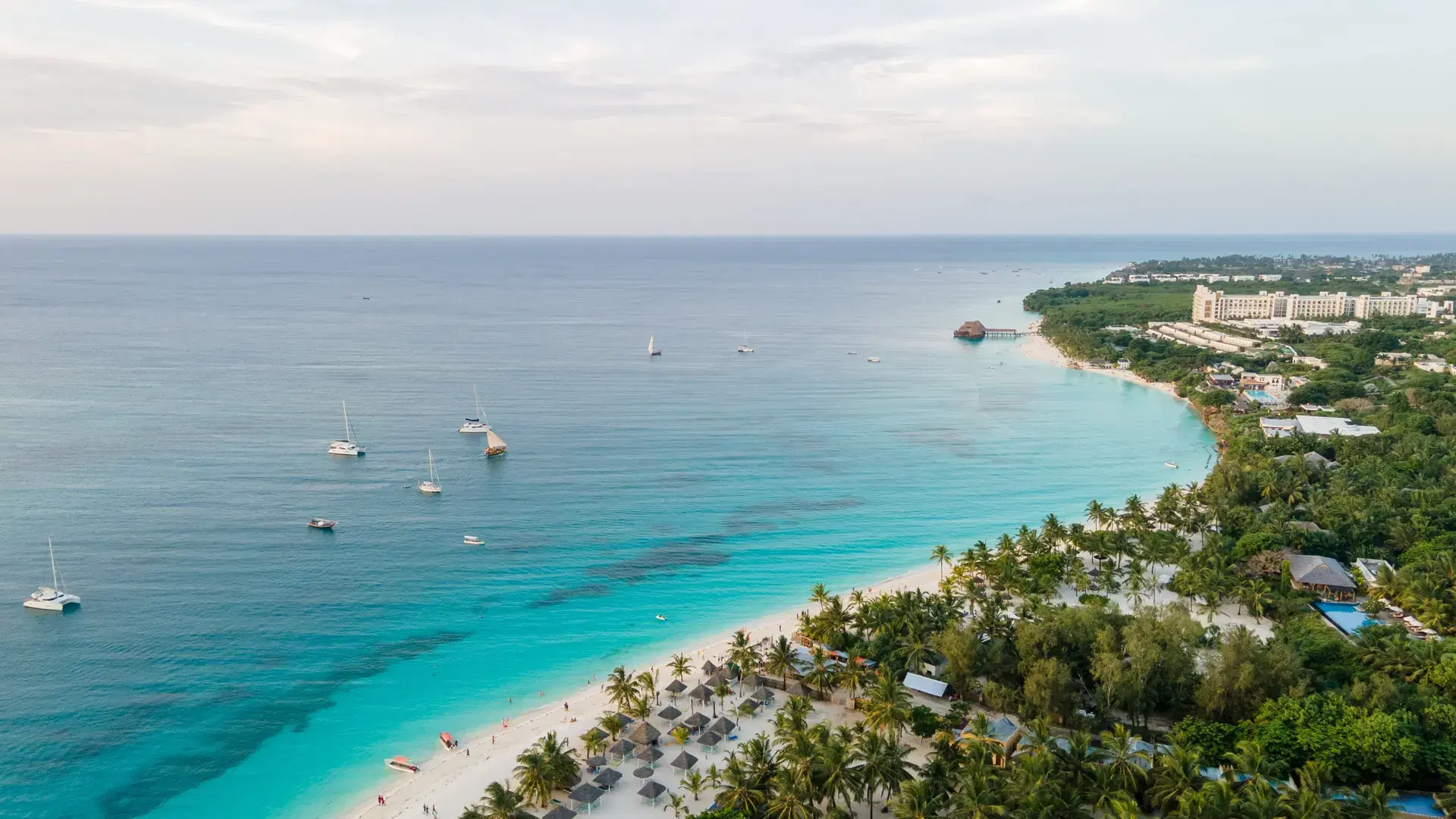
Kilwa is a small coastal town in southern Tanzania, known for its UNESCO listed ruins and deep Swahili history. Cruise visits focus on nearby Kilwa Kisiwani, once one of the most important trading cities on the East African coast. The setting is calm and rural, with palm trees, fishing boats, and a strong sense of place shaped by centuries of trade.
Why Visit
Kilwa offers a rare chance to step into a chapter of African and Indian Ocean history that many travelers never experience. This was once a powerful city connected to Arabia, Persia, and Asia, and its influence shaped the Swahili Coast for generations. Today, the ruins feel atmospheric and reflective rather than crowded. Visiting Kilwa is not about ticking sights off a list, but about understanding how cultures met and blended here. The pace is slow, the welcome is warm, and the experience feels thoughtful and meaningful. It is ideal for travelers who value history, authenticity, and places that feel untouched by mass tourism.
Things To Do
Top Activity 1: Explore Kilwa Kisiwani Ruins A guided walk through Kilwa Kisiwani reveals mosques, palaces, and homes built from coral stone centuries ago. The Great Mosque and Husuni Kubwa palace are especially impressive, showing the scale and ambition of the former city. Guides explain daily life, trade routes, and cultural influences, bringing the ruins to life in a clear and engaging way.
Top Activity 2: Swahili Culture and Village Visit Spending time with local communities offers insight into modern Swahili life. You may see traditional fishing methods, visit small homes, or learn about crafts and food. These encounters feel natural and welcoming, providing context that connects past and present along the coast.
Lesser Known Gem: Quiet Beaches Near the Ruins Near Kilwa Kisiwani, stretches of undeveloped beach offer calm water and peaceful surroundings. Walking along the shore with views of ruins in the distance is both scenic and reflective. It is a simple experience that highlights how closely history and nature coexist here.
Cruise Port Information
Cruise ships anchor offshore, with guests transferred by small boats to the mainland and onward to Kilwa Kisiwani. Facilities are basic, and visits are carefully coordinated with local authorities and guides. Organized excursions are essential, as independent travel is not practical. The experience is well managed but intentionally low impact, preserving the integrity of the site. Weather and sea conditions can affect schedules, so flexibility is important throughout the visit.
Practical Tips
Spring: 75 to 85 F Summer: 80 to 90 F Autumn: 75 to 85 F Winter: 70 to 80 F
Wear lightweight clothing, sun protection, and comfortable walking shoes suitable for uneven ground. Bring water and respect local customs by dressing modestly. Transportation is arranged through ship excursions, and all visits rely on guides for access and interpretation. A calm and curious mindset enhances the experience.