Quick Overview
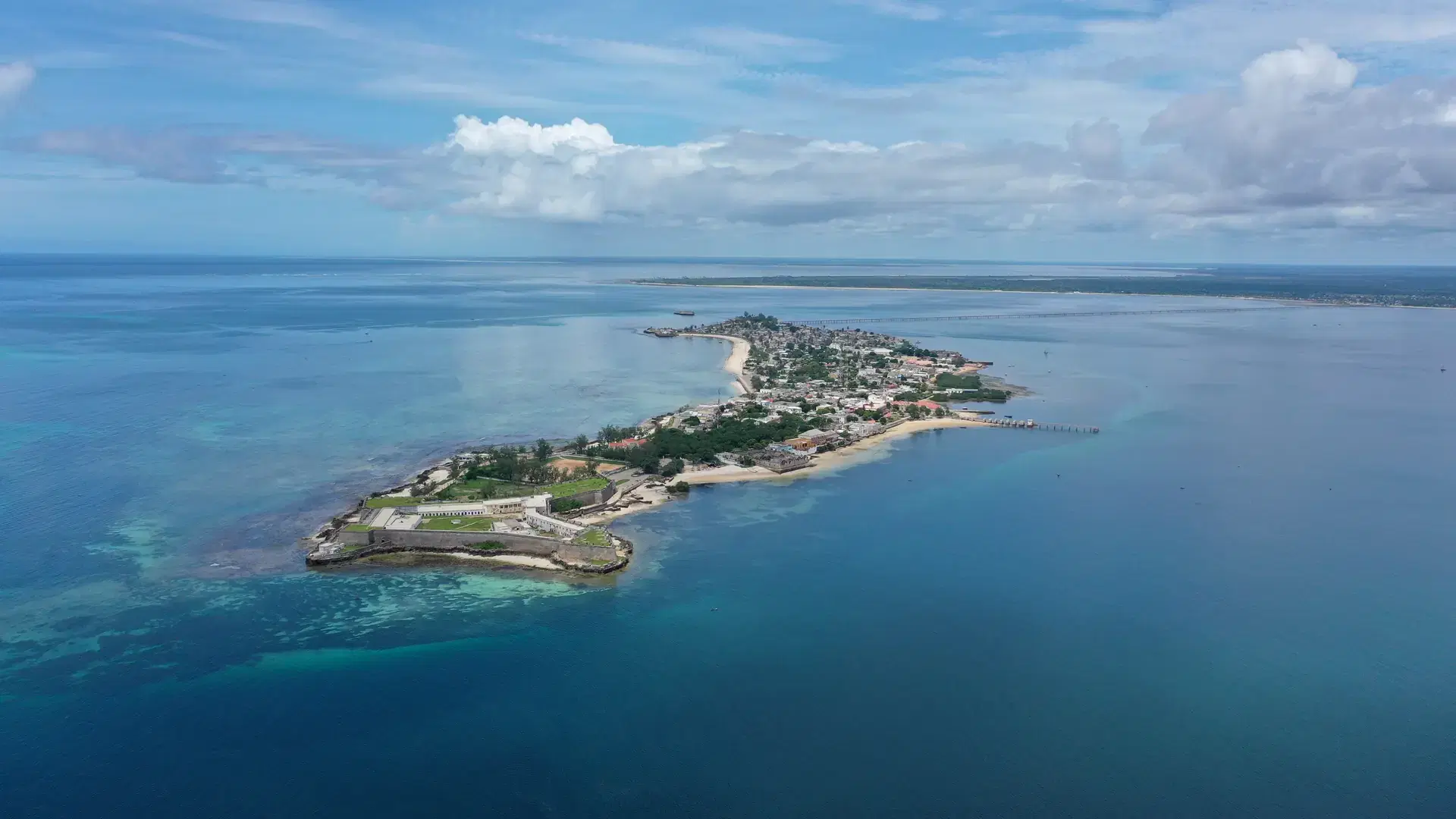
The Island of Mozambique is a small coral island linked to the mainland by a bridge and rich with layered history. Once a major trading hub it blends African Arab and Portuguese influences in architecture culture and daily life. Cruise visitors step into a place where time feels slower streets are walkable and the past is visible in every direction.
Why Visit
This port is ideal for travelers who enjoy culture history and places that feel genuinely lived in. The Island of Mozambique is a UNESCO recognized site not because it is polished but because it is real. Life unfolds around historic buildings fishing boats and neighborhood markets. You are not visiting a museum but a working community shaped by centuries of trade and movement. The atmosphere is calm welcoming and quietly fascinating. Visitors who value meaningful experiences authentic encounters and a sense of discovery often find this stop deeply memorable and refreshingly different from more commercial ports.
Things To Do
Top Activity 1: Stone Town Walk Walking through Stone Town is the best way to experience the island. Narrow streets coral stone buildings and shaded courtyards reveal layers of history at every turn. You will see daily life unfolding alongside historic mosques churches and former trading houses. The compact size makes it easy to explore slowly and absorb the atmosphere.
Top Activity 2: Fort of Sao Sebastiao This impressive fortress dominates the northern end of the island and tells the story of its strategic importance. Built centuries ago it offers views over the ocean and insight into colonial history. Walking its walls gives perspective on how global trade and conflict once shaped this quiet place.
Lesser Known Gem: Local Market Visit Small neighborhood markets offer a glimpse into everyday island life. Vendors sell fresh fish spices fruit and household goods while conversations flow easily. Spending time here provides cultural connection and a chance to see the rhythm of the island beyond its landmarks.
Cruise Port Information
Cruise ships anchor offshore with tender boats bringing guests to the island. The tender landing is close to the main historic areas making exploration straightforward. There is no large cruise terminal just a simple arrival that fits the island character. Most sights are walkable though local guides add valuable context. Facilities are limited but locals are welcoming and accustomed to visitors. The experience feels personal and unhurried which is part of the appeal.
Practical Tips
Spring: 75 to 85 F Summer: 80 to 90 F Autumn: 78 to 88 F Winter: 70 to 80 F
Wear light clothing and comfortable walking shoes as streets are uneven. Sun protection and water are essential. Respect local customs especially around religious sites. Cash is useful for small purchases. Transportation needs are minimal since most areas are reached on foot. Take your time and let conversations and observations shape the visit since this island rewards patience and curiosity.