Quick Overview
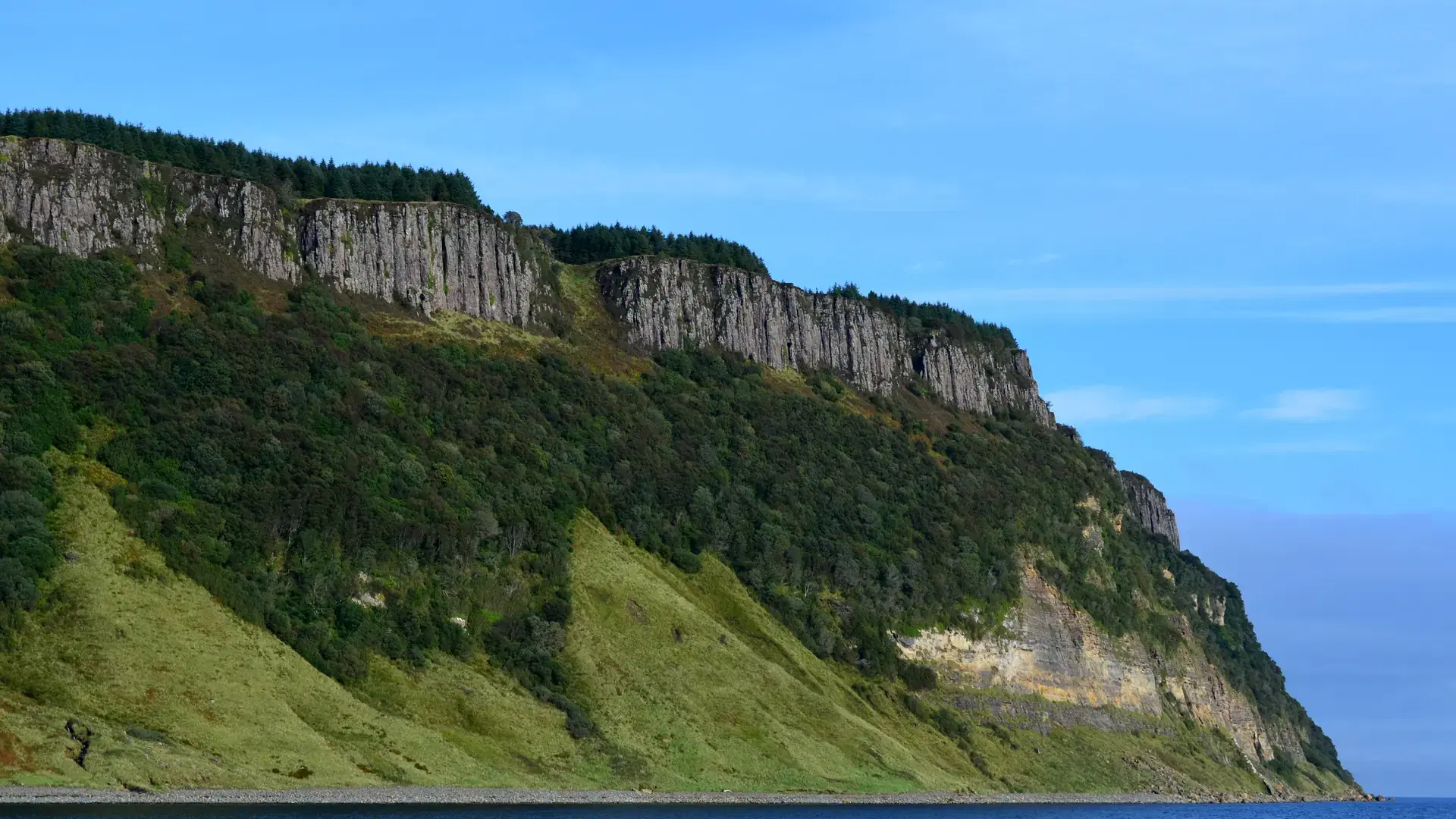
Inaccessible Island lies near Tristan da Cunha in the South Atlantic and is one of the most remote islands on Earth. Visits are rare and weather dependent, with ships remaining offshore for scenic viewing or limited landings. The island is protected, wild, and dramatic, defined by towering cliffs, crashing waves, and a feeling of absolute isolation.
Why Visit
Inaccessible Island is not about sightseeing in the traditional sense. It is about witnessing raw nature in its purest form. This is a place almost untouched by people, where seabirds outnumber humans by an unimaginable margin and landscapes feel prehistoric. Simply seeing the island rise from the ocean is unforgettable. For adventurous travelers, this stop represents the ultimate rarity, a glimpse of a world that exists far beyond normal travel routes. It is humbling, quiet, and deeply moving, offering a sense of perspective few destinations can match.
Things To Do
Top Activity 1: Scenic Cruising and Observation Most visits focus on slow cruising around the island, allowing guests to take in its sheer cliffs, green plateaus, and powerful ocean swells. From the deck, you can observe nesting seabirds, dramatic rock formations, and the scale of the landscape. The experience feels more like exploration than tourism.
Top Activity 2: Wildlife Watching from the Ship Inaccessible Island is a sanctuary for seabirds found nowhere else. Bring binoculars to spot birds soaring along cliff faces or gathering near the water. Dolphins and other marine life are often seen riding the waves nearby, adding to the sense of living wilderness.
Lesser Known Gem: The Silence One of the most striking aspects of visiting Inaccessible Island is the soundscape. With no towns, engines, or crowds, the dominant sounds are wind, waves, and bird calls. Standing on deck and absorbing that silence is a rare and powerful travel moment.
Cruise Port Information
Inaccessible Island has no port facilities and no permanent population. Ships remain offshore, and any approach is strictly controlled due to conservation rules and sea conditions. Landings are uncommon and only occur with special permission and favorable weather. Most guests experience the island entirely from the ship, guided by expert commentary from expedition staff. Flexibility is essential, as conditions can change quickly and plans may adjust for safety.
Practical Tips
Spring: 50 to 60 F Summer: 55 to 65 F Autumn: 50 to 60 F Winter: 45 to 55 F
Dress warmly with windproof layers, as conditions at sea can be chilly and breezy. Spend time on open decks for the best views, but move inside if seas are rough. There is no transport ashore, and all experiences depend on weather, wildlife activity, and strict environmental protections.