
Quick Overview
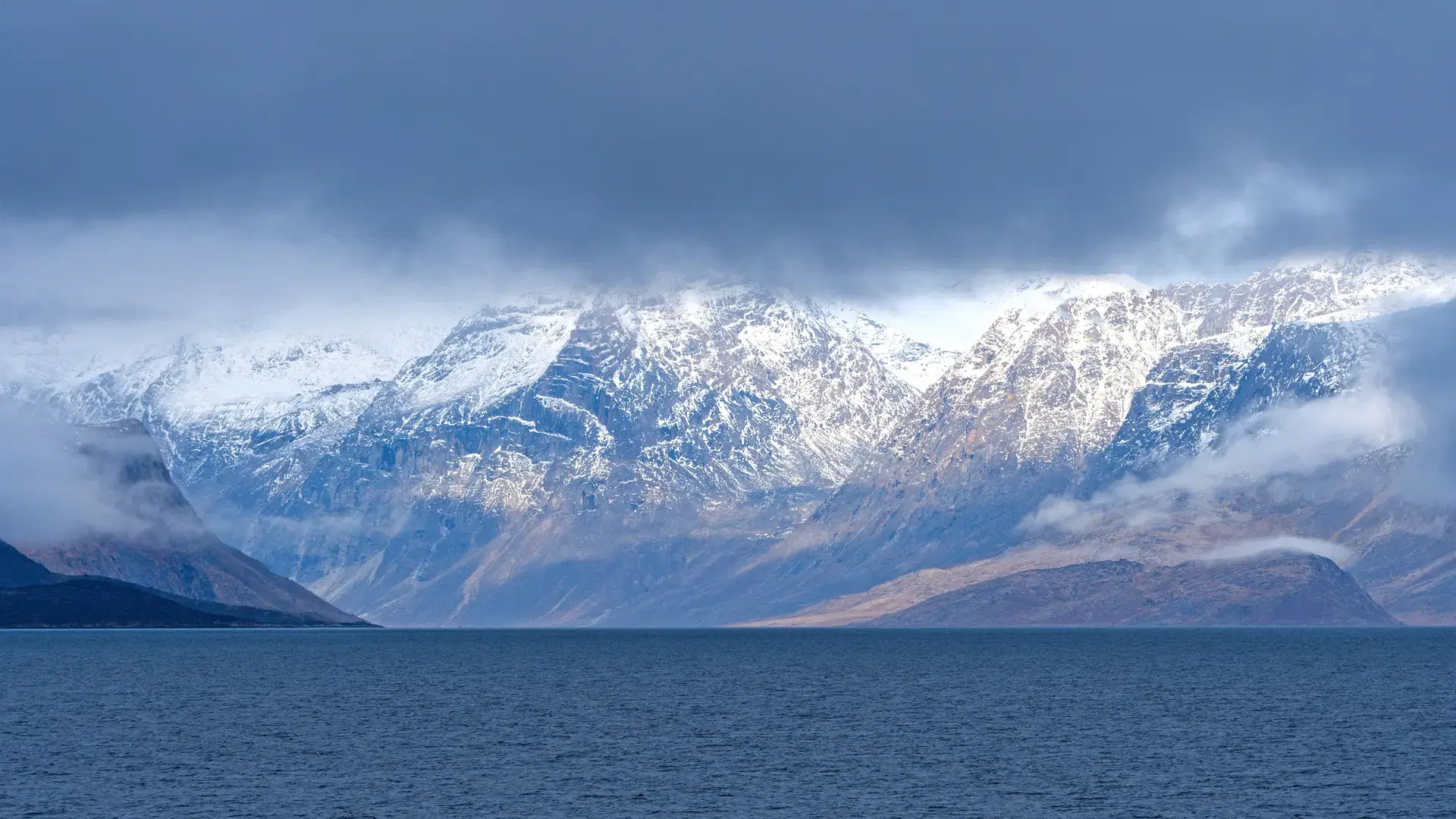
Gjoa Haven is a small Inuit community on King William Island in Nunavut, set along calm Arctic waters and wide open tundra. This is a place shaped by sea ice, seasonal light, and deep cultural traditions. Cruise visits are rare and personal, offering a chance to experience Canada's Arctic through the people who call it home.
Why Visit
Gjoa Haven offers something few destinations can, genuine connection in one of the most remote regions on Earth. Visitors come not for landmarks or shopping, but for understanding and perspective. The community shares stories, music, and daily life rooted in Inuit knowledge passed down for generations. The landscape feels vast and quiet, with low horizons, big skies, and a sense of stillness that many find deeply moving. Time here encourages listening and reflection. Gjoa Haven is ideal for travelers who value culture, learning, and respectful exchange over entertainment. A visit often becomes one of the most memorable moments of an Arctic voyage.
Things To Do
Top Activity 1: Community Welcome And Cultural Sharing Local residents often greet visitors with traditional clothing, drumming, and conversation. These moments are heartfelt rather than staged, offering insight into Inuit identity and resilience. Listening to stories and asking respectful questions creates meaningful connections.
Top Activity 2: Shore Walk And Arctic Scenery Walking near the shoreline reveals the stark beauty of the Arctic landscape. The ground is low and open, with water, sky, and land blending together. Even a short walk helps visitors appreciate the scale and quiet of the region.
Lesser Known Gem: Local Art And Craft Displays Handmade carvings and artwork often reflect daily life, animals, and spiritual themes important to the community. Seeing these pieces in person adds depth to understanding Inuit creativity and expression.
Cruise Port Information
Cruise ships anchor offshore, and guests reach Gjoa Haven by tender. There is no formal port infrastructure, and that simplicity is part of the experience. Visits are coordinated closely with the community to ensure respect and comfort on both sides. Time ashore is usually focused on cultural exchange rather than sightseeing. The pace is gentle, and flexibility is important, as weather and local conditions guide the day. Visitors are encouraged to follow guidance from crew and community hosts at all times.
Practical Tips
Spring: 10 to 30 F Summer: 35 to 55 F Autumn: 20 to 40 F Winter: below 0 F
Dress warmly in layers, including a wind resistant outer layer. Comfortable insulated footwear is essential even in summer. Movement ashore is by foot only, and visitors should stay with their group while respecting local customs and space.
Gjoa Haven, Nunavut Sailings
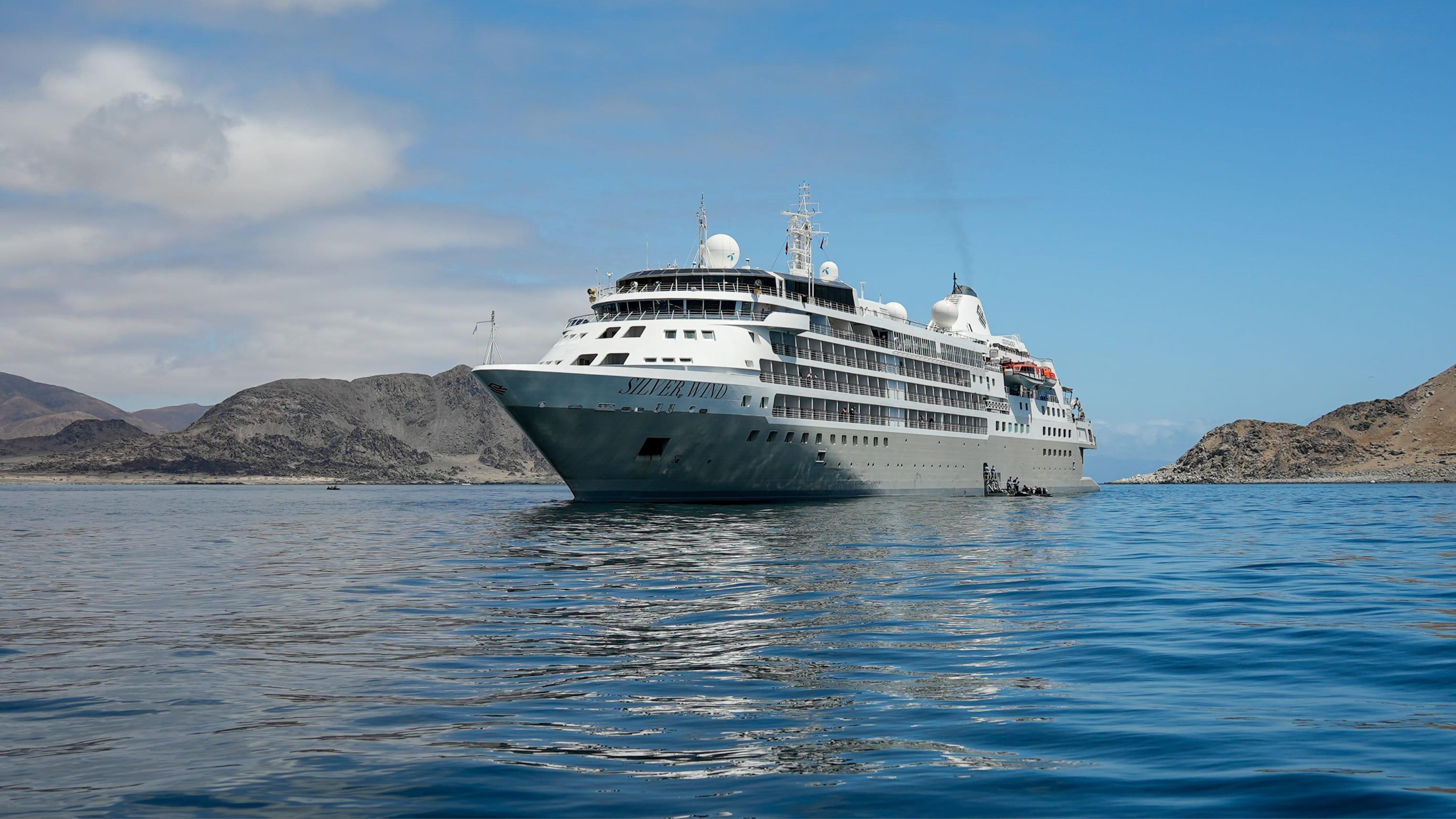

20 NIGHT Arctic CRUISE
STARTING AT
$31150.00
per person