Quick Overview
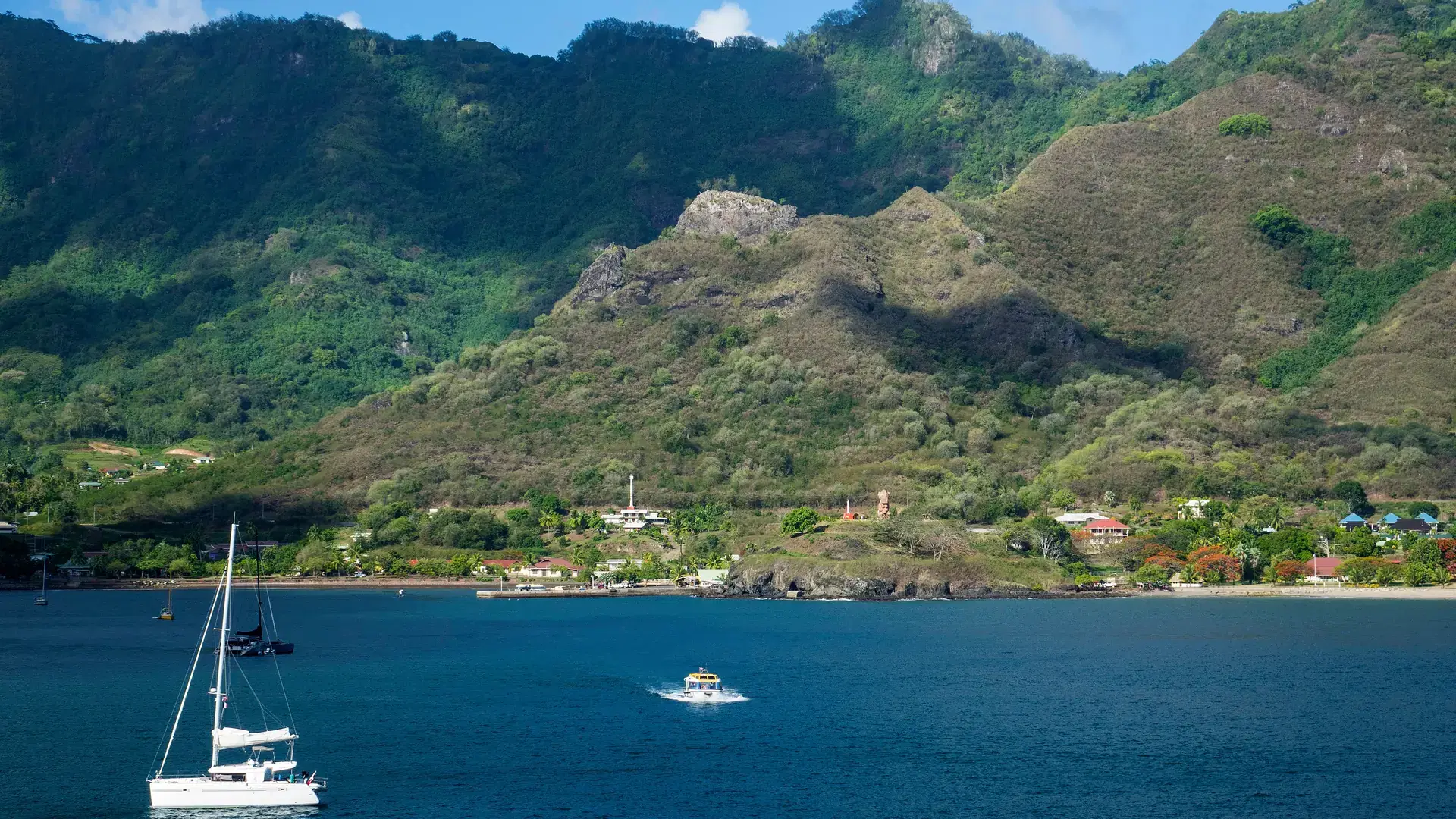
Fatu Hiva is the southernmost inhabited island of the Marquesas, known for dramatic landscapes and deep cultural roots. Steep green mountains rise straight from the sea, with waterfalls, valleys, and rugged coastlines shaping daily life. There is no large town, only small villages where traditions remain strong. Visiting Fatu Hiva feels intimate and remote, offering a glimpse of Polynesia that is wild, quiet, and deeply connected to the land.
Why Visit
Cruise travelers visit Fatu Hiva to experience a side of French Polynesia that feels untouched and authentic. This is not a resort island or a place of busy schedules. Life moves according to daylight, weather, and community rhythms. The scenery is bold and emotional, with cliffs, forests, and open ocean creating a powerful setting. Cultural practices such as tapa cloth making and traditional carving remain part of everyday life. Fatu Hiva is ideal for travelers who want meaning over comfort, connection over convenience, and memories shaped by people and place rather than attractions.
Things To Do
Top Activity 1: Visit Omoa village Omoa is the main village and where most visitors land. Walking through the village offers a warm welcome, friendly conversation, and insight into daily life. You may see tapa cloth being made, local crafts, and children playing along the shore. The experience feels genuine and personal, with scenery and culture blending naturally.
Top Activity 2: Explore coastal scenery and viewpoints Short walks near the landing area reveal stunning views of cliffs, valleys, and the open Pacific. Even a brief stroll provides a strong sense of the island's scale and isolation. The combination of lush greenery and deep blue water makes every viewpoint feel dramatic and rewarding.
Lesser Known Gem: Traditional tapa cloth culture Fatu Hiva is especially known for its tapa cloth, made from tree bark using techniques passed down through generations. Learning about this process offers a meaningful connection to local heritage. The patterns and textures reflect stories, environment, and identity, making this cultural encounter one of the most memorable aspects of a visit.
Cruise Port Information
Fatu Hiva has no formal port facilities. Cruise ships anchor offshore, and landings are made by small boats when sea conditions allow. Visits are carefully managed and always weather dependent. There are no shops, banks, or restrooms near the landing area, so guests rely on the ship for services. Time ashore is typically focused on village visits, cultural exchange, and light walking. Flexibility and patience are essential when visiting such a remote island.
Practical Tips
Spring: 75 to 85 F Summer: 80 to 90 F Autumn: 75 to 85 F Winter: 70 to 80 F
Wear lightweight clothing with good sun protection and bring sturdy footwear for uneven ground. A hat and water are important, as shade can be limited. Transport on the island is mostly on foot, with no independent vehicle travel for visitors. Respect local customs and ask before taking photos of people or crafts. Fatu Hiva is best enjoyed slowly, with openness to cultural exchange and appreciation for its powerful natural setting.
Fatu Hiva, French Polynesia Sailings
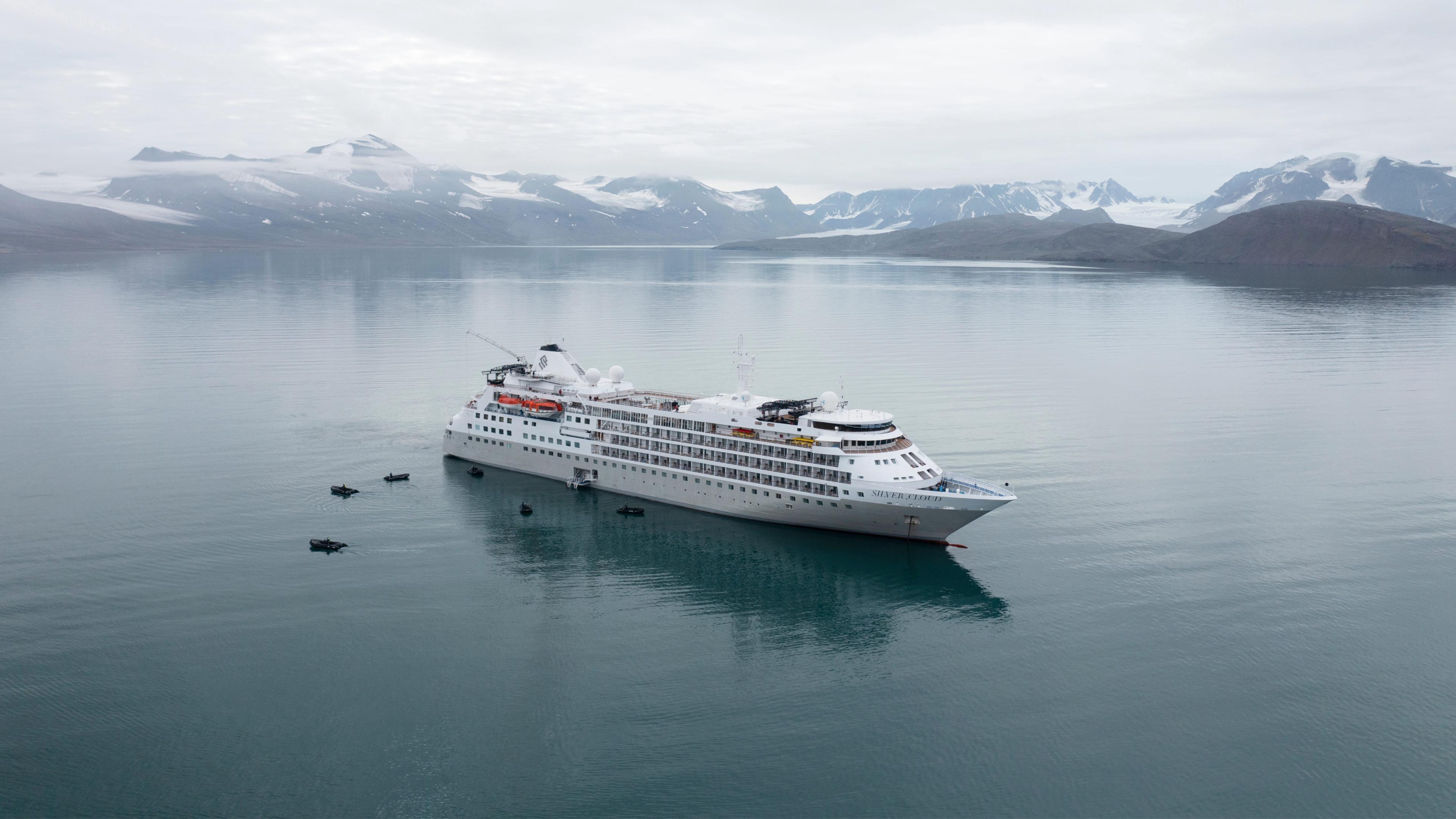

22 NIGHT Expedition CRUISE
STARTING AT
$22950.00
per person
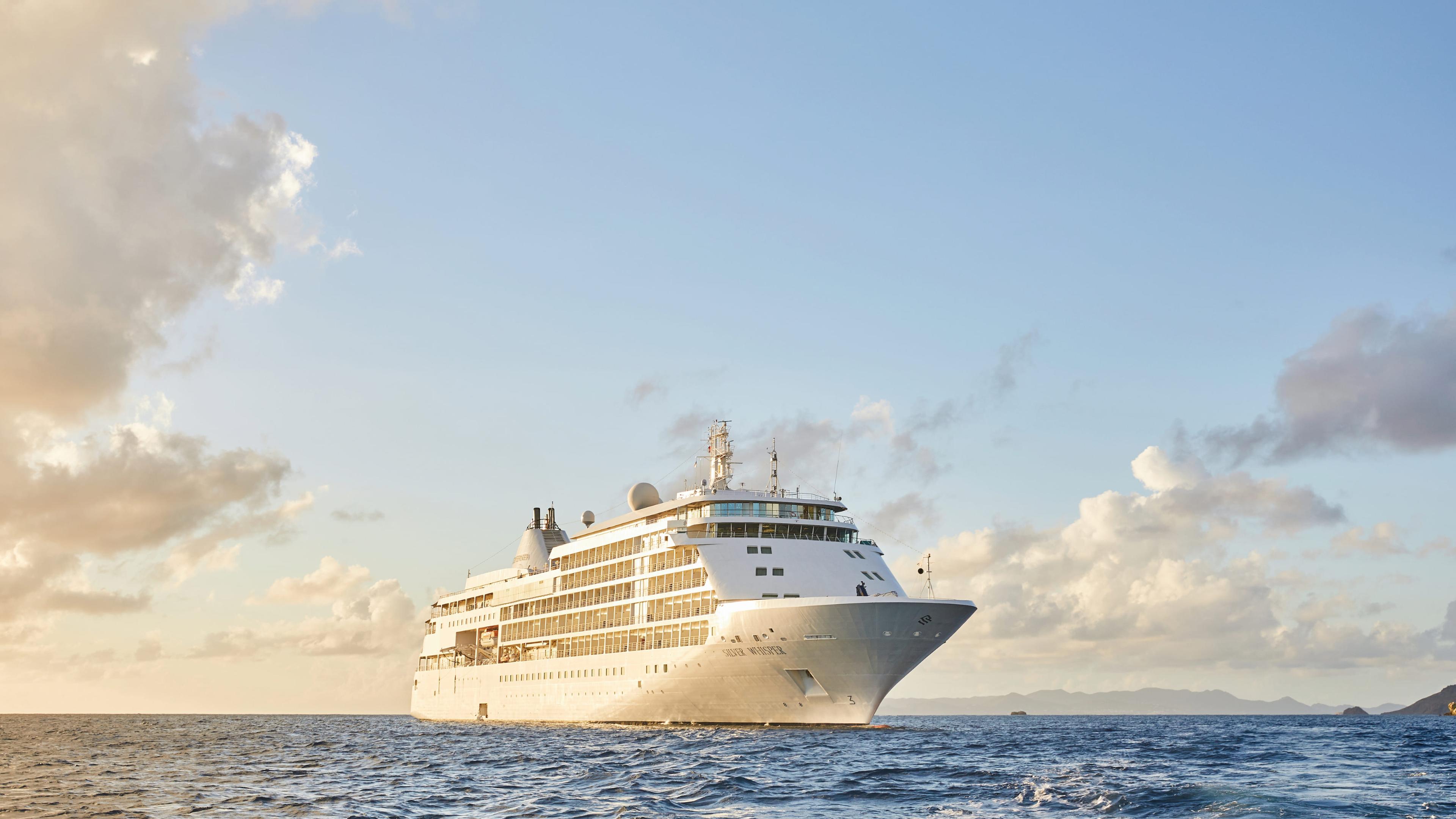
14 NIGHT South Pacific CRUISE
STARTING AT
$7250.00
per person