
Quick Overview
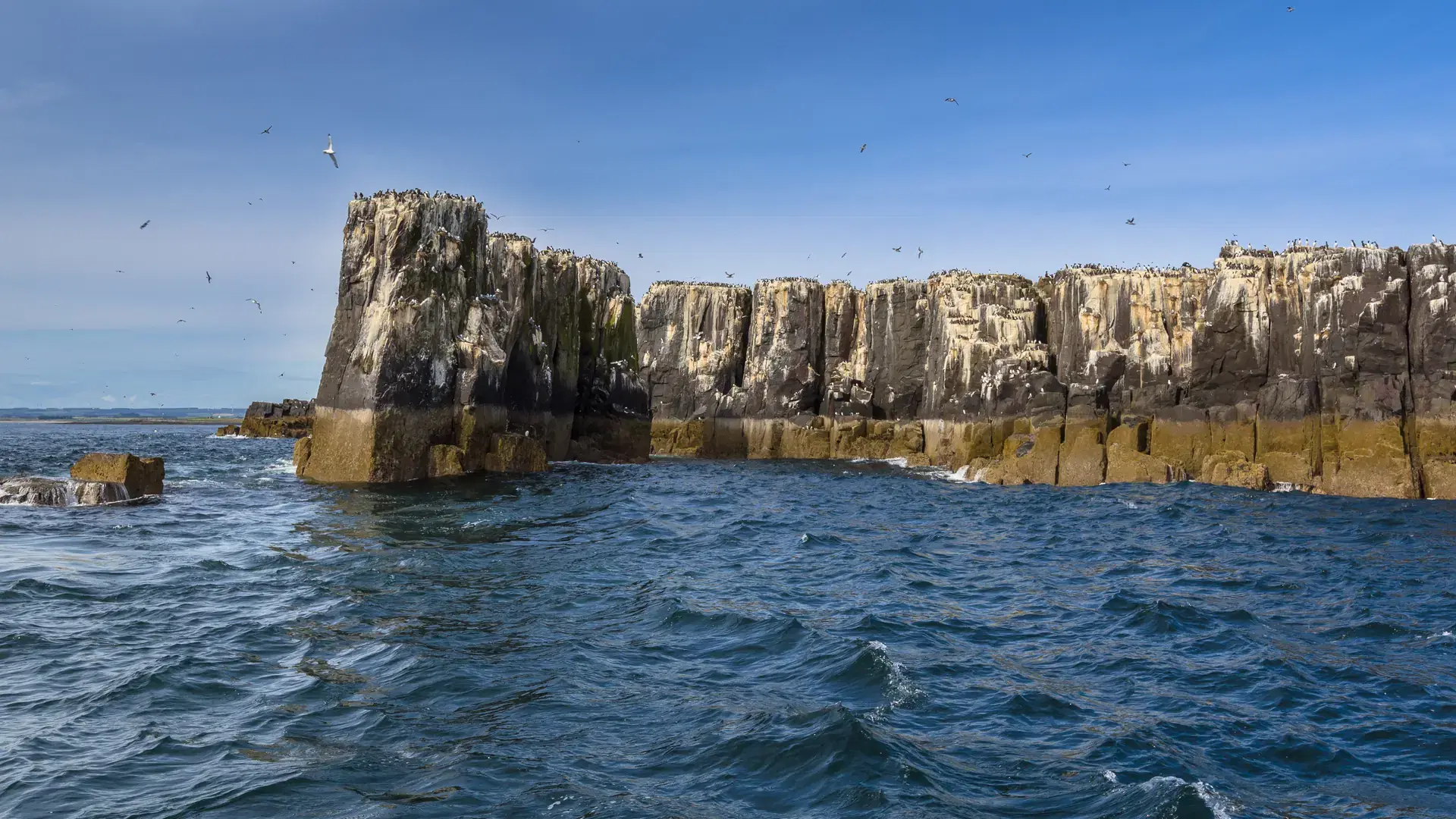
The Farne Islands sit off the coast of Northumberland and are one of the most important wildlife sites in the United Kingdom. This small group of rocky islands is uninhabited and protected, known for dramatic scenery and huge seabird colonies. Visits are weather dependent and focused on nature rather than comfort. It feels remote, bracing, and wonderfully untamed.
Why Visit
The Farne Islands are perfect for travelers who love wildlife, photography, and rugged coastal landscapes. During nesting season, the islands are alive with sound as thousands of seabirds fill the air and cliffs. Grey seals gather along the shoreline and in the surrounding waters, often appearing curious about passing boats. Visiting here feels like stepping into a nature documentary rather than a traditional cruise stop. It is not polished or easy, but it is memorable and deeply rewarding for those who appreciate raw natural environments.
Things To Do
Top Activity 1: Boat Cruise Around the Islands Most visits involve boat trips that circle the islands, offering close views of cliffs, caves, and wildlife. Crews share insights about seabirds, seals, and the history of the islands, including famous lighthouse stories. Even without landing, the experience is immersive, with wildlife often just feet away.
Top Activity 2: Wildlife Photography The Farne Islands are a dream for wildlife photographers. Seabirds nest in dense colonies, and seals rest openly on rocks or swim alongside boats. The changing light, sea spray, and movement make every moment feel alive. Patience is rewarded with remarkable close encounters.
Lesser Known Gem: Inner Farne History Inner Farne is linked to early Christian history and the legacy of Saint Cuthbert. When landings are possible, visitors can explore simple historic structures alongside the wildlife. The blend of spiritual history and untamed nature adds unexpected depth to the visit.
Cruise Port Information
There is no cruise port at the Farne Islands. Ships anchor offshore or nearby, and small boats operate from the mainland town of Seahouses. Landings are limited and controlled to protect wildlife and depend heavily on sea and weather conditions. Facilities on the islands are minimal, and visits may be brief. Flexibility is essential, as plans often change based on conditions and conservation needs.
Practical Tips
Spring: 45 to 55 F Summer: 55 to 65 F Autumn: 50 to 60 F Winter: 40 to 50 F
Dress warmly with windproof layers, even in summer. Waterproof outerwear is strongly recommended. Follow all wildlife guidelines carefully, especially around nesting birds. Motion sensitive travelers may wish to prepare for choppy seas. The Farne Islands reward those who embrace unpredictability and focus on the experience rather than comfort.
Farne Islands Sailings
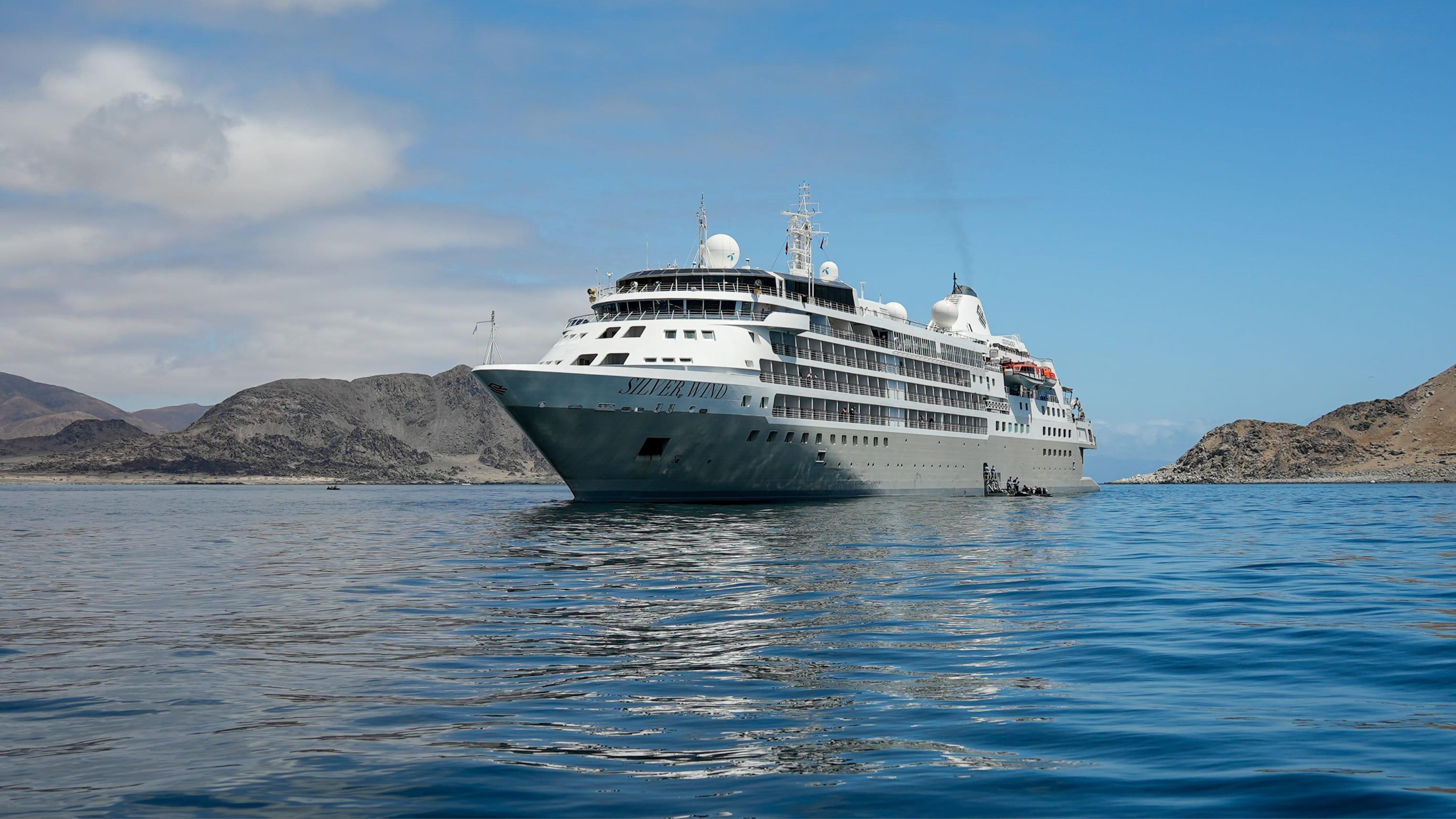

11 NIGHT Expedition CRUISE
STARTING AT
$11550.00
per person
11 NIGHT Expedition CRUISE
STARTING AT
$23000.00
per person