
Quick Overview
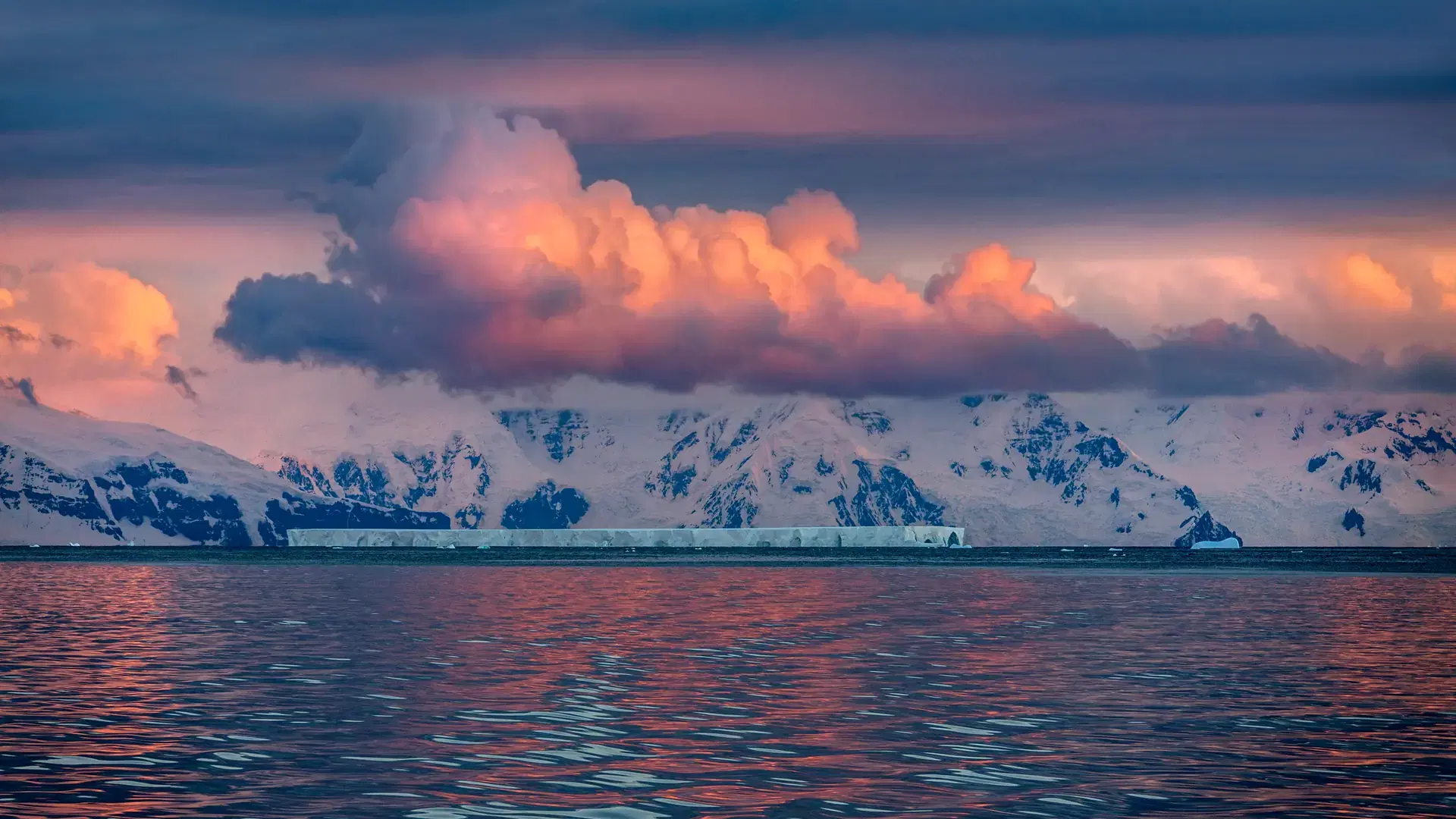
The Drake Passage is the stretch of ocean between South America and Antarctica, famous for its power and unpredictability. Crossing it feels like a true expedition moment rather than a simple cruise day. Vast open water, dramatic skies, and restless waves define the experience. It is where travelers leave the familiar behind and move toward the frozen continent. More than a destination, the Drake Passage is a rite of passage that marks the transition into Antarctica's remote world.
Why Visit
People do not visit the Drake Passage for landmarks or towns. They experience it for the story and the sensation. This crossing connects you emotionally to the great explorers who first ventured south. Wildlife such as albatross and petrels often follow the ship, gliding effortlessly above the waves. Conditions can range from calm and glassy to powerful and challenging, making every crossing unique. For many travelers, the Drake Passage becomes one of the most memorable parts of the journey because it feels earned. Reaching Antarctica after this crossing adds meaning, perspective, and a deep respect for the forces of nature.
Things To Do
Top Activity 1: Wildlife watching from deck Spending time on deck is one of the most rewarding ways to experience the Drake Passage. Seabirds soar alongside the ship, using wind currents with ease. Albatross with massive wingspans are a highlight, often circling close enough for incredible views. The open ocean setting makes these encounters feel wild and authentic, far removed from everyday travel.
Top Activity 2: Expedition lectures and briefings Most crossings include expert talks from naturalists, historians, and expedition leaders. These sessions cover Antarctic wildlife, weather, and exploration history, helping you understand where you are and why it matters. They also prepare you for what lies ahead, turning the crossing into an educational experience rather than simply time at sea.
Lesser Known Gem: Watching the ocean change As you move south, the color and movement of the water often shift. Swells grow longer, light changes, and temperatures slowly drop. Sitting quietly and observing these subtle changes gives a powerful sense of traveling between worlds. It is a quiet moment that many travelers later describe as unexpectedly meaningful.
Cruise Port Information
The Drake Passage is not a port and has no docking facilities. It is experienced entirely at sea as part of an Antarctic voyage. Ships are specially built or reinforced for polar conditions, with stabilizers to improve comfort. Medical facilities and experienced crews are standard on expedition vessels. Daily schedules are flexible and adjusted based on weather and sea conditions. This flexibility allows ships to prioritize safety while still offering lectures, wildlife viewing, and deck access when conditions allow.
Practical Tips
Spring: 30 to 40 F Summer: 35 to 45 F Autumn: 30 to 40 F Winter: 25 to 35 F
Pack layers, waterproof outerwear, and motion sickness remedies even if you rarely need them. Spend time on deck when conditions allow, but always follow crew guidance. Keep cameras secured and dress warmly against wind. Transport is entirely by ship, with no outside services once you leave South America. The best approach is patience and curiosity. Embrace the crossing as part of the adventure, not something to rush through.
Drake Passage, Antarctica Sailings
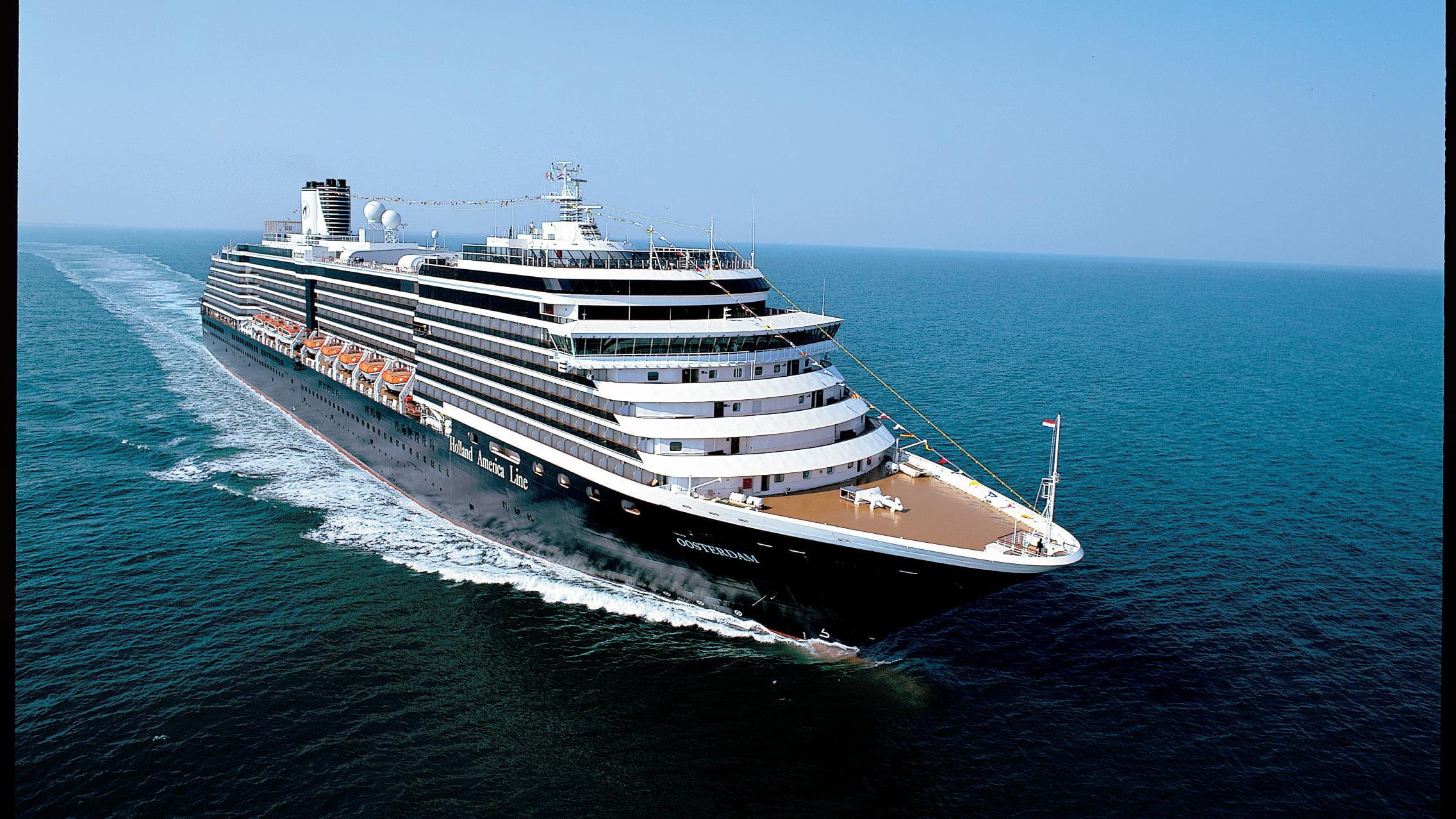

22 NIGHT Antarctica CRUISE
STARTING AT
$5659.00
per person
22 NIGHT Antarctica CRUISE
STARTING AT
$5269.00
per person
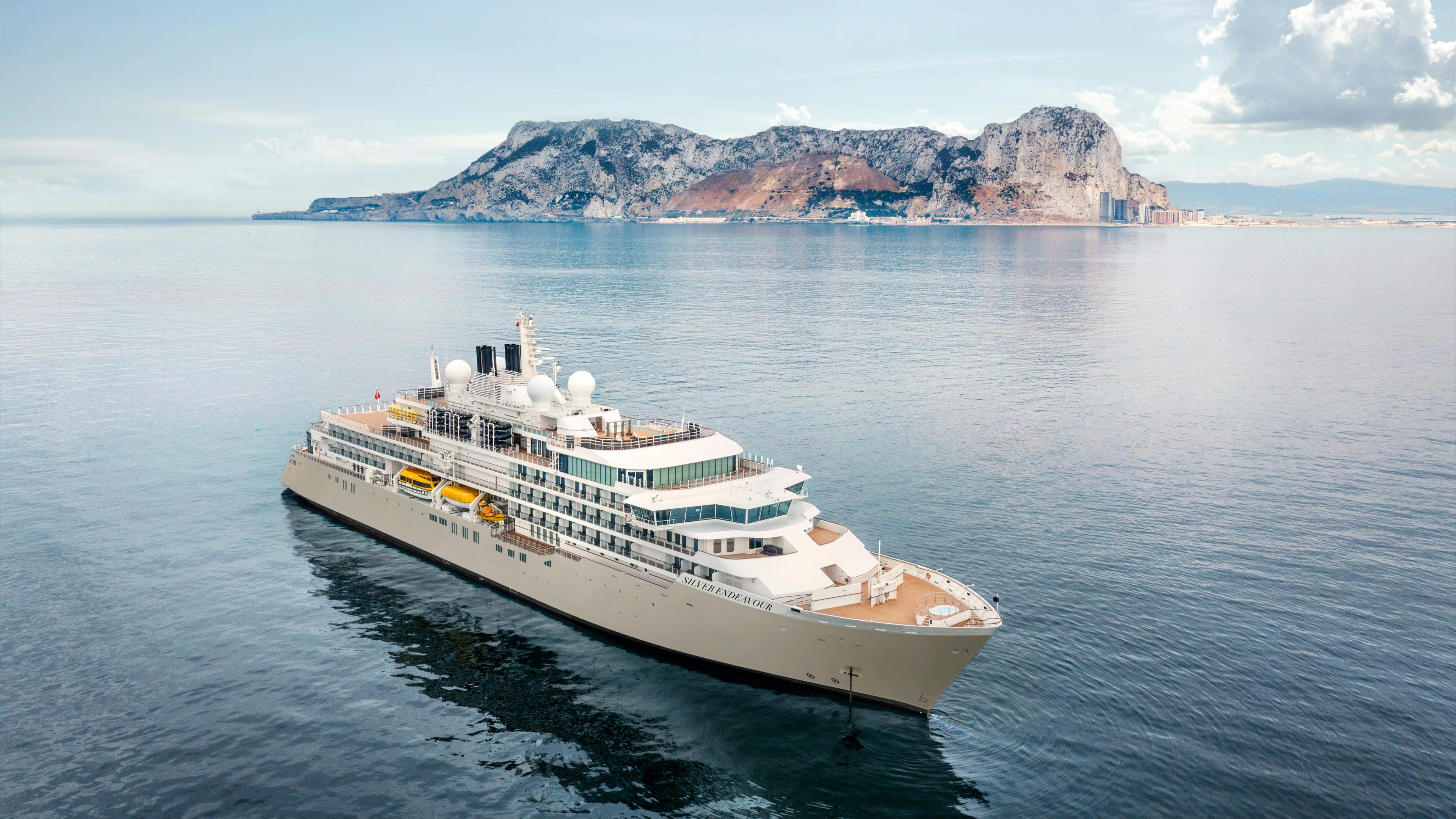

13 NIGHT Antarctica CRUISE
STARTING AT
$26400.00
per person
21 NIGHT Antarctica CRUISE
STARTING AT
$34300.00
per person
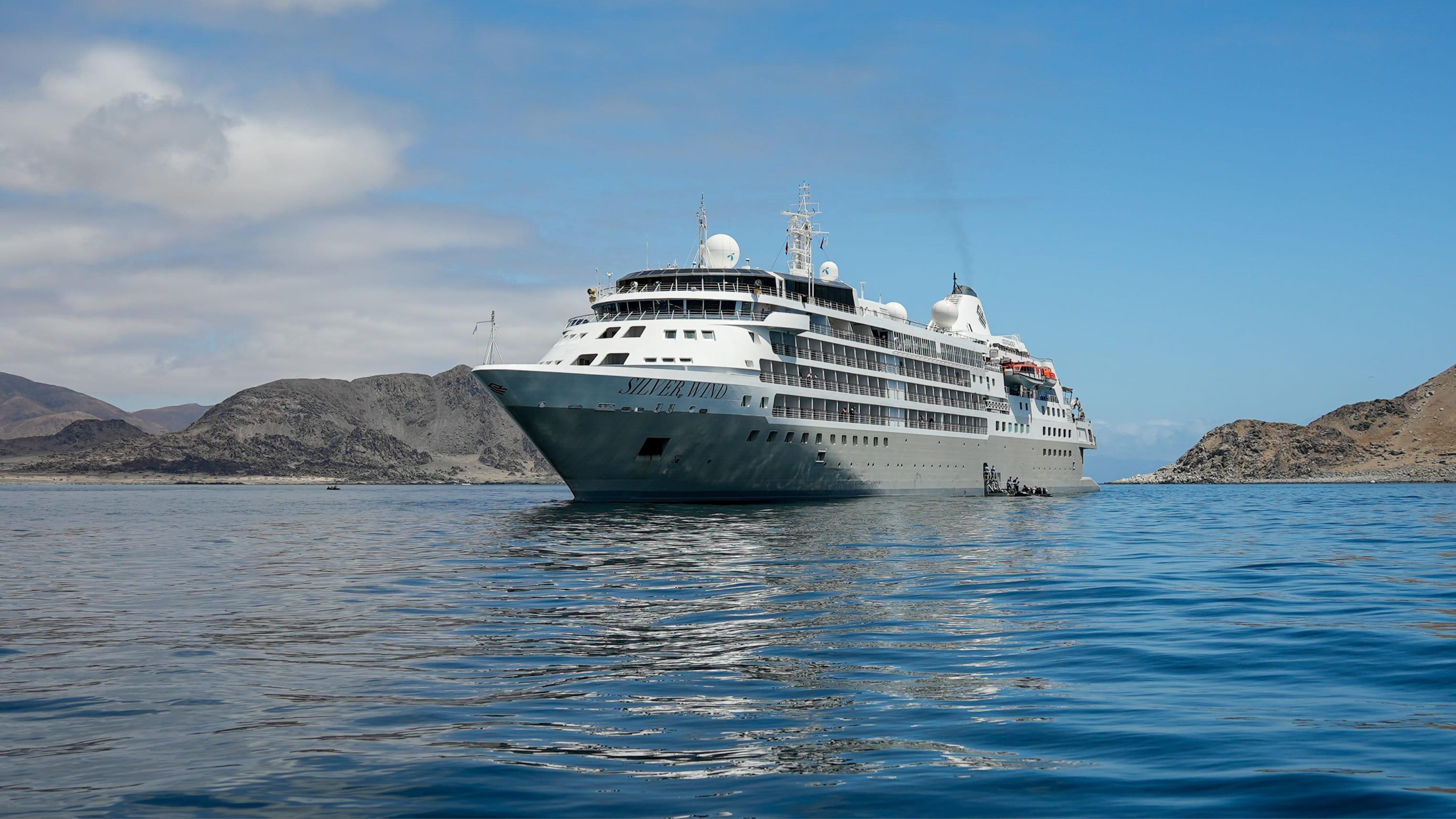
10 NIGHT Antarctica CRUISE
STARTING AT
$16900.00
per person