
Quick Overview
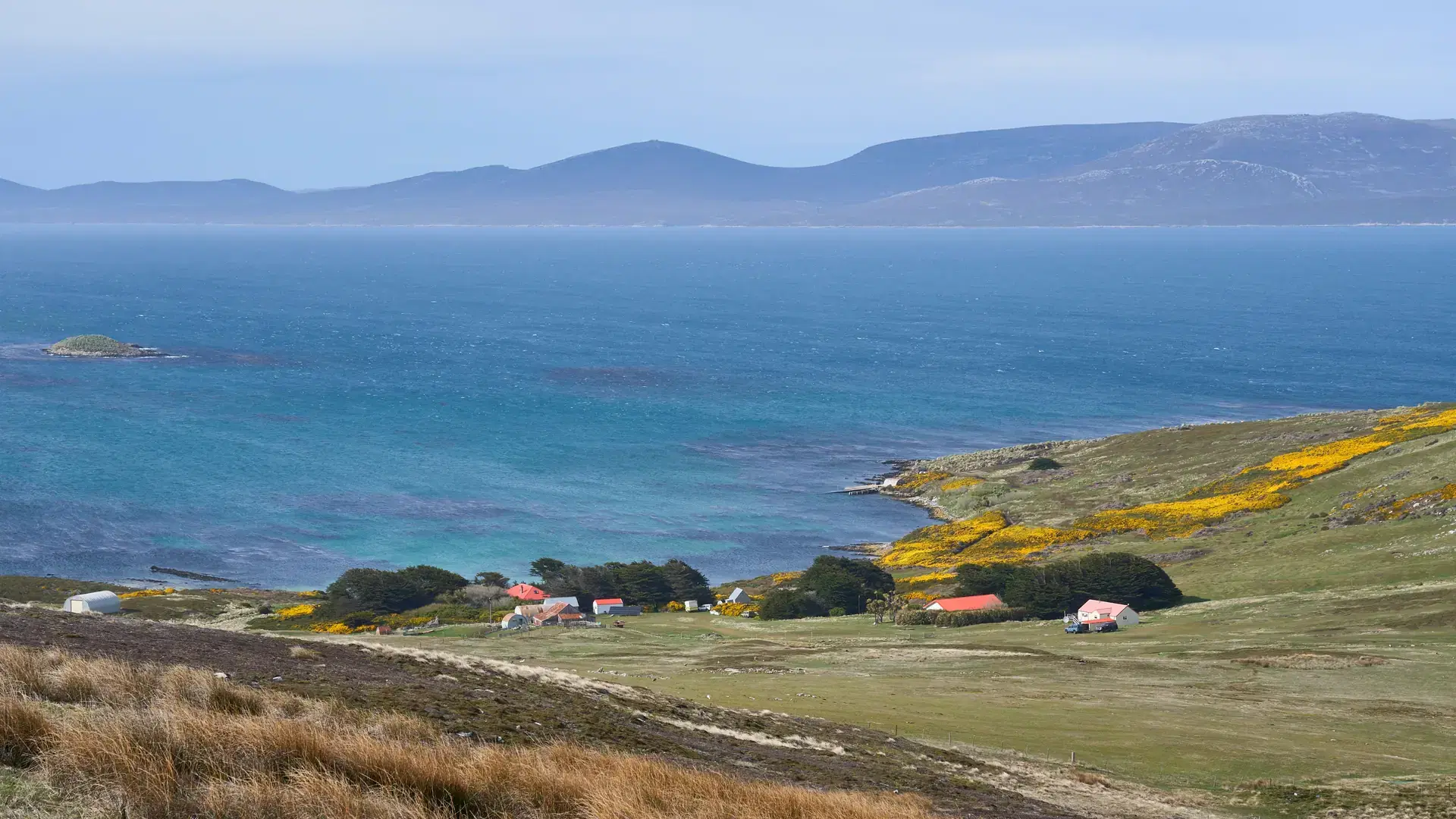
Carcass Island is one of the most welcoming stops in the Falkland Islands, known for its open landscapes, abundant wildlife, and warm hospitality. With no roads and few buildings, it offers a rare chance to experience nature in a quiet and personal way, guided by the land rather than schedules.
Why Visit
Carcass Island is a place for travelers who appreciate simplicity, wildlife, and a slower pace. The island is free of rats, making it a haven for birds that nest close to the ground, and it supports a remarkable variety of species in a small area. Walking here feels unhurried and immersive, with long beaches, rolling grassland, and wide views in every direction. Visitors often remark on the calm atmosphere and the friendliness of the island's residents, who have welcomed guests for decades. It is less about ticking off sights and more about feeling present in a rare, untouched environment.
Things To Do
Top Activity 1: Wildlife Walking Trails Walking is the main way to explore Carcass Island. Well known paths lead across beaches and fields where you may see penguins, geese, and many bird species up close. The lack of predators allows wildlife to behave naturally, creating memorable encounters.
Top Activity 2: Beach Exploration The island's beaches are wide, pale, and often empty. Strolling along the shore offers views of seabirds, gentle waves, and distant hills. It is an ideal setting for photography, quiet reflection, and simply enjoying the sense of space.
Lesser Known Gem: Island Hospitality Visitors are often invited to enjoy tea and homemade treats at the settlement. This simple gesture offers insight into island life and creates a personal connection that many travelers remember as the highlight of their visit.
Cruise Port Information
Cruise ships anchor offshore, with guests brought ashore by small boats. Landings are usually straightforward, though conditions depend on weather and sea state. Once ashore, there are no vehicles or formal facilities, and exploration is entirely on foot. The island is compact and easy to navigate, with clear guidance provided by residents and expedition staff. Time ashore is typically unstructured, allowing visitors to choose their own pace and route while respecting wildlife and the natural environment.
Practical Tips
Spring: temperatures usually range from the low 40s to low 50s F Summer: temperatures often range from the upper 40s to low 60s F Autumn: temperatures typically range from the low 40s to low 50s F Winter: temperatures commonly range from the low 30s to low 40s F
Dress in warm layers and waterproof outerwear, as weather can change quickly. Sturdy walking shoes are important for uneven ground. Move slowly around wildlife, keep a respectful distance, and follow guidance from local hosts to help preserve this special place.