
Quick Overview
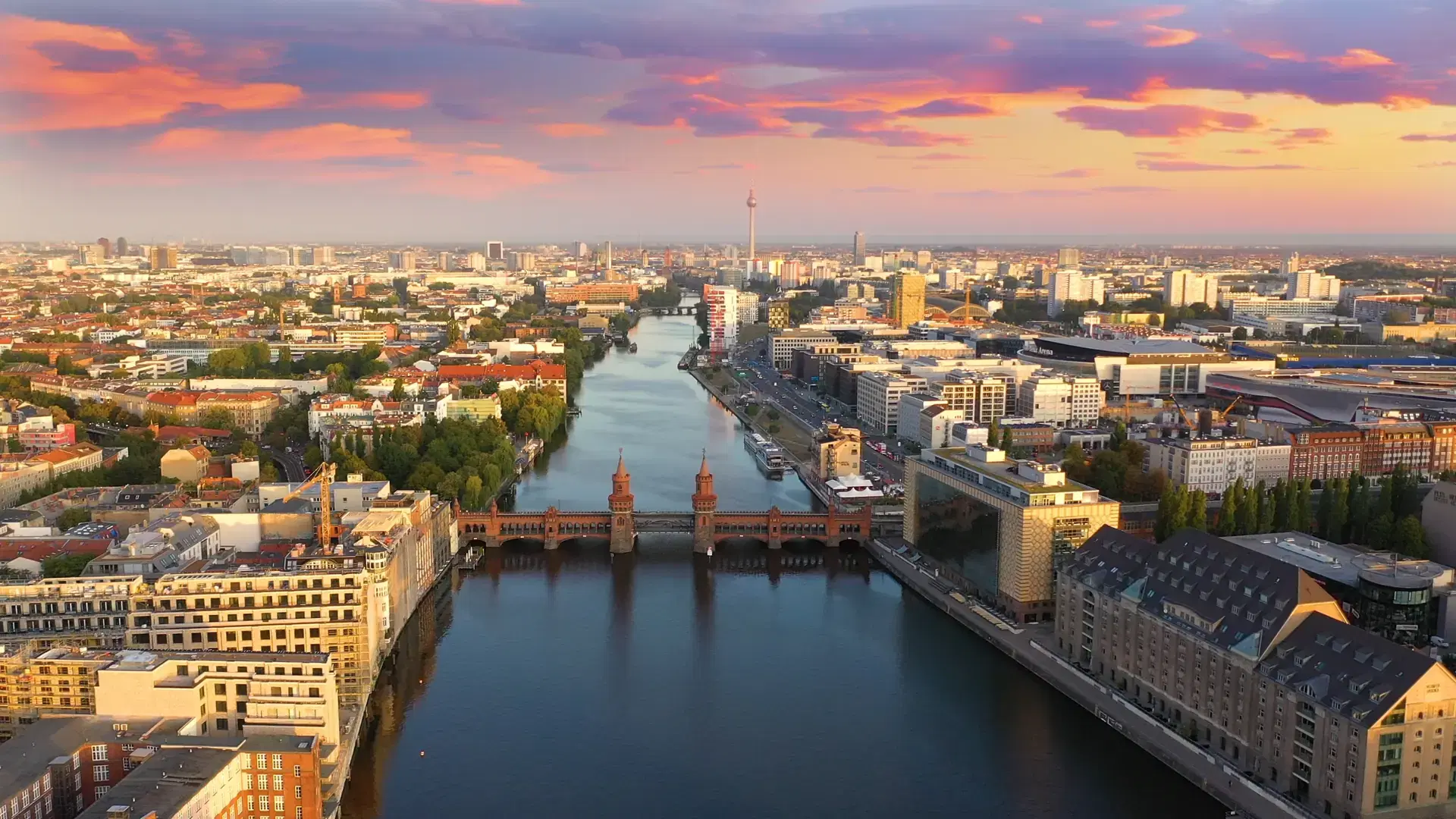
Berlin is Germany's capital and one of Europe's most dynamic cities, known for its powerful history and forward looking spirit. Wide boulevards, green parks, and diverse neighborhoods give it a spacious feel. The city carries visible reminders of the twentieth century alongside art, music, and everyday life. For cruise visitors, Berlin offers depth, culture, and a strong sense of identity.
Why Visit
Berlin stands out because it invites understanding rather than spectacle alone. This is a city that has reinvented itself repeatedly, and that story is written into its streets, buildings, and people. Museums, memorials, and neighborhoods provide context that feels honest and thoughtful. At the same time, Berlin is relaxed and approachable, with cafés, markets, and parks full of local life. Food is diverse and informal, reflecting the city's international character. A visit to Berlin delivers insight, creativity, and a feeling of connection that stays with you long after you leave.
Things To Do
Top Activity 1: Brandenburg Gate and Historic Center Seeing the Brandenburg Gate is an essential Berlin moment. The surrounding area connects major landmarks and open spaces that tell the story of the city's political past. Walking here gives perspective on division and reunification while remaining lively and accessible. It is both symbolic and very real.
Top Activity 2: Museum Island Visit Located along the River Spree, Museum Island gathers several world class museums in one walkable area. Exhibits range from ancient civilizations to European art, offering something for every interest. Even a short visit provides cultural depth and an understanding of Berlin's role in global history.
Lesser Known Gem: Neighborhood Cafe Culture Beyond major sights, Berlin's neighborhoods shine through their cafés and local streets. Sitting with a coffee and watching daily life reveals a calmer side of the city. Areas away from main attractions show creativity, humor, and a strong sense of community that many visitors miss.
Cruise Port Information
Cruise ships visiting Berlin typically dock at ports such as Rostock or Warnemunde, with onward travel to the city by train or coach. Transfer times can range from two to three hours depending on route and traffic. Shore excursions are common and help manage timing. Independent travelers can also use Germany's reliable rail system. Once in Berlin, public transport is efficient and well marked, making it easy to move between sights.
Practical Tips
Spring: temperatures around 45 to 65 degrees Summer: temperatures around 65 to 80 degrees Autumn: temperatures around 50 to 65 degrees Winter: temperatures around 30 to 45 degrees
Comfortable walking shoes are important for long distances between landmarks. Layered clothing helps with changing weather. Public transport is reliable and widely used, and tickets are easy to purchase. Cash is still useful in smaller cafés. Plan for a long day due to travel time, and focus on a few meaningful areas rather than trying to see everything at once.
Berlin, Germany Sailings
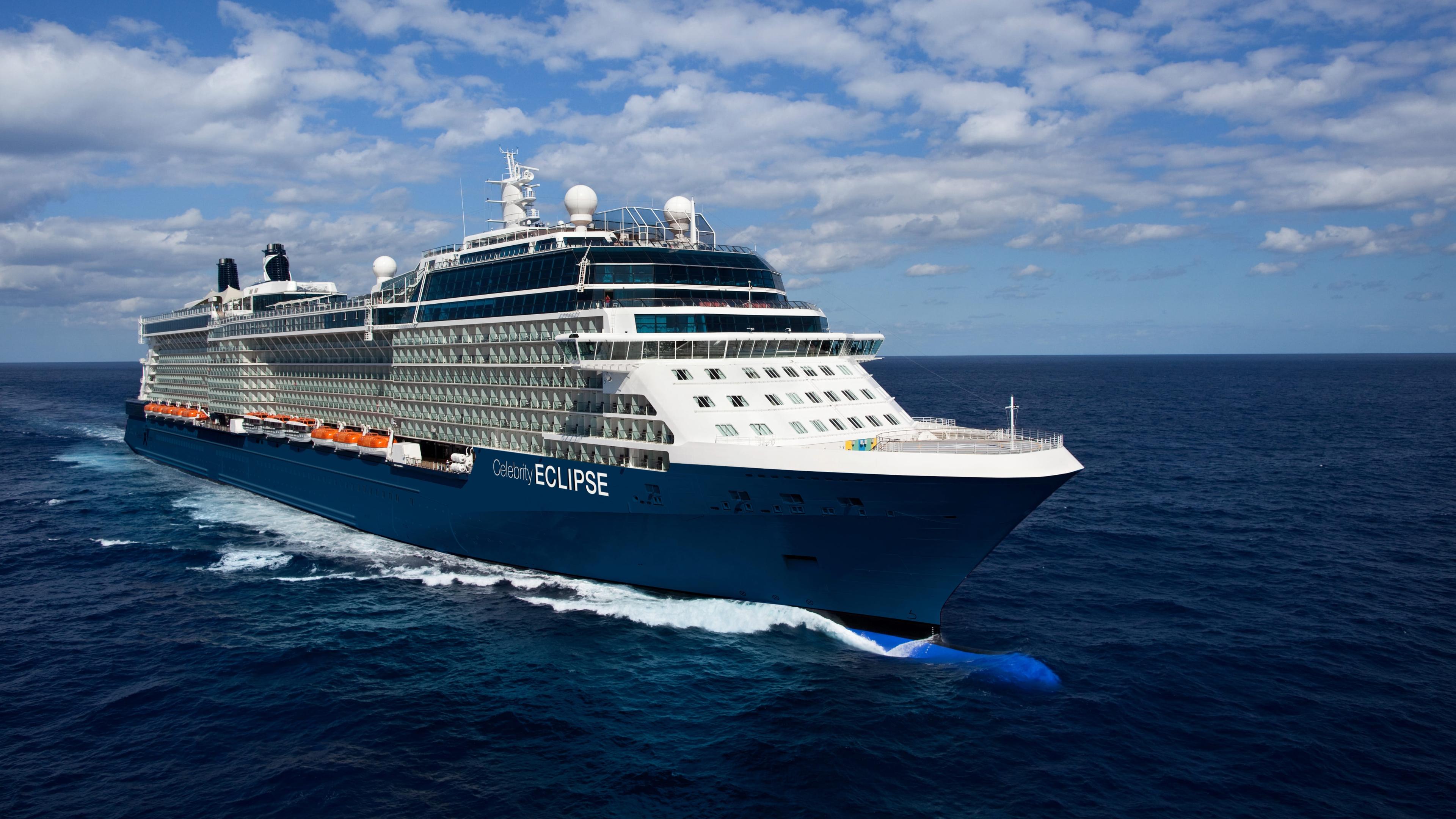

12 NIGHT BEST OF SCANDINAVIA CRUISE
STARTING AT
$4337.62
per person
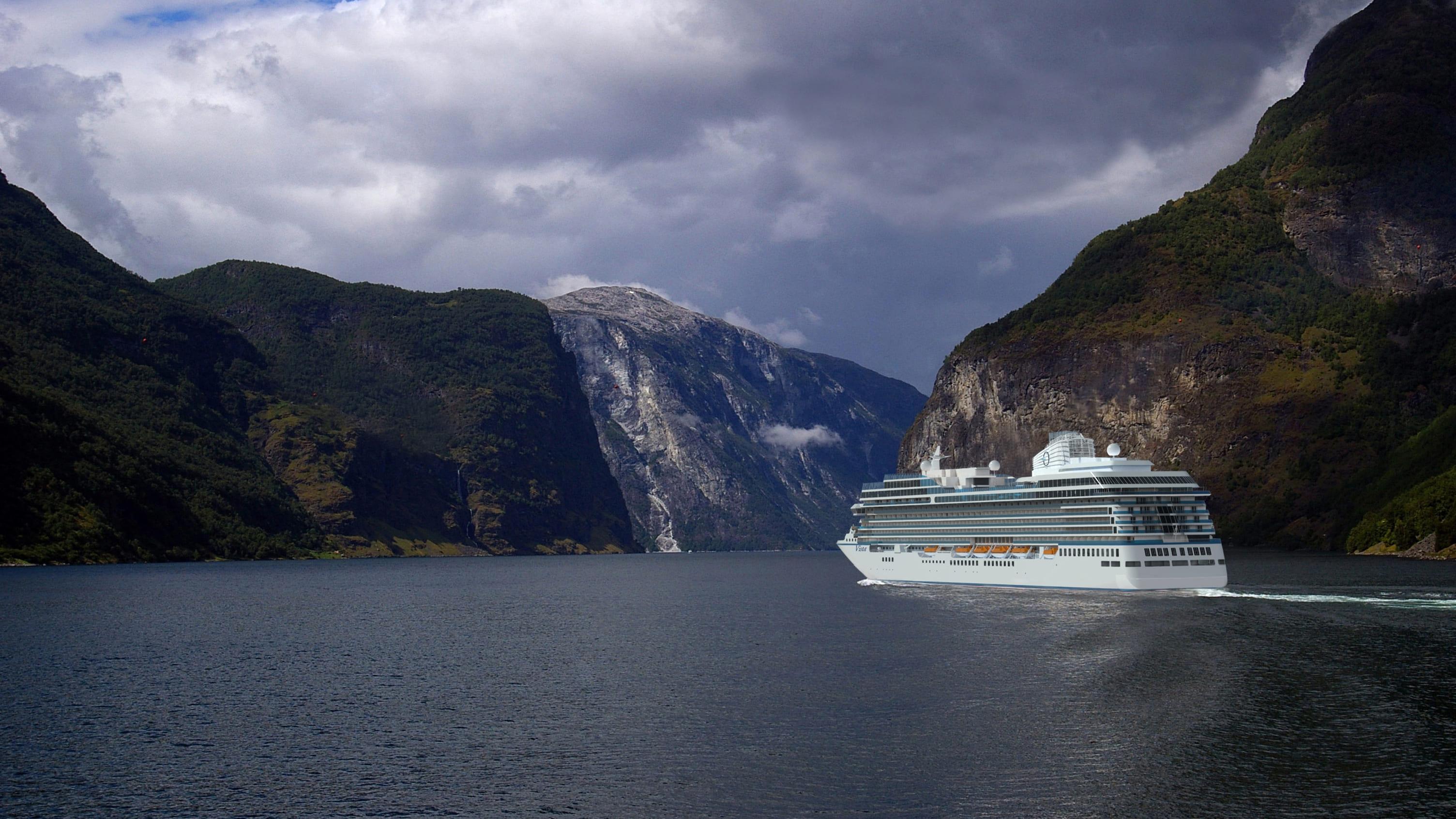

64 NIGHT Europe - Northern CRUISE
STARTING AT
$38299.00
per person
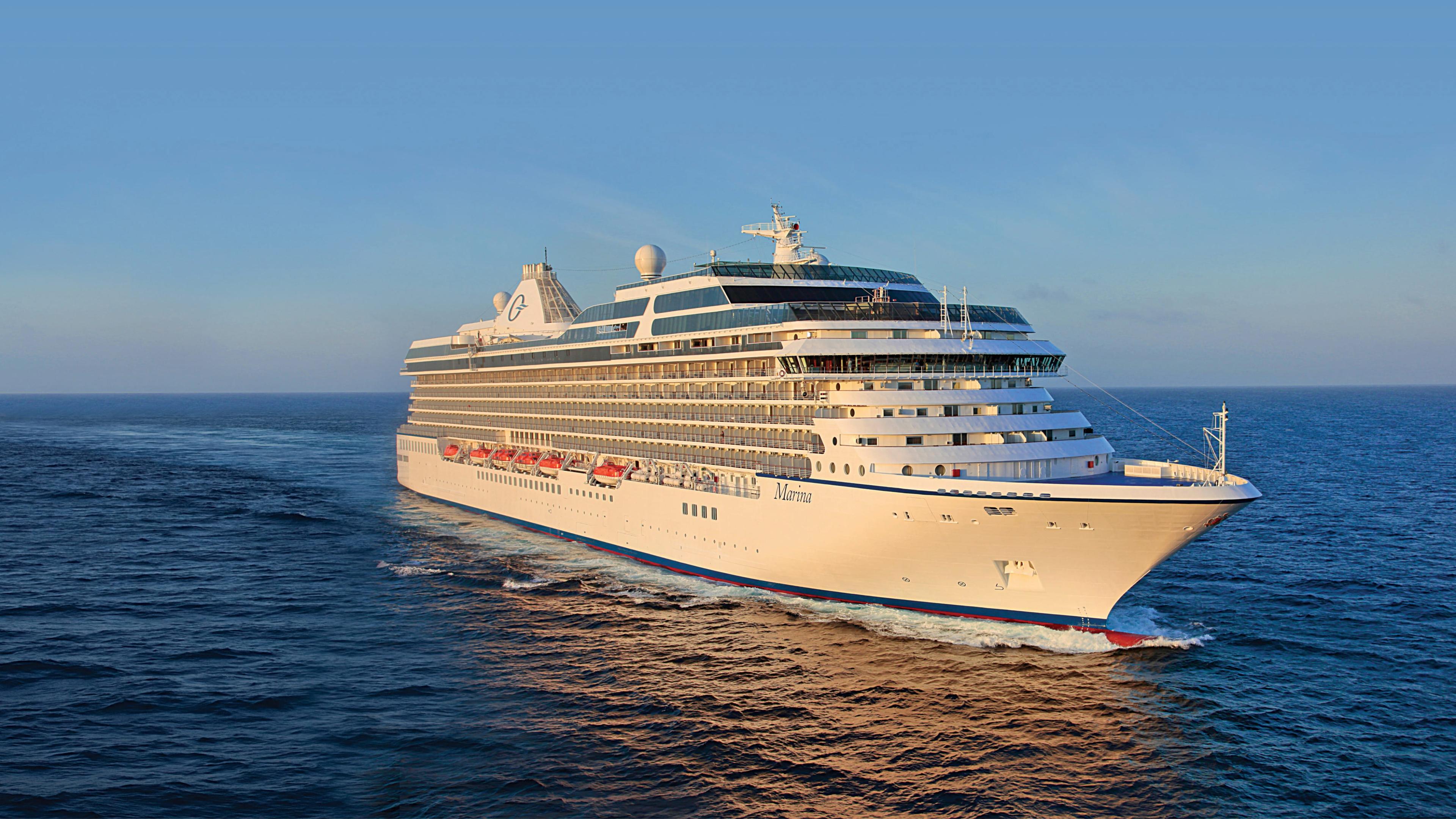
11 NIGHT Europe - Northern CRUISE
STARTING AT
$4410.00
per person
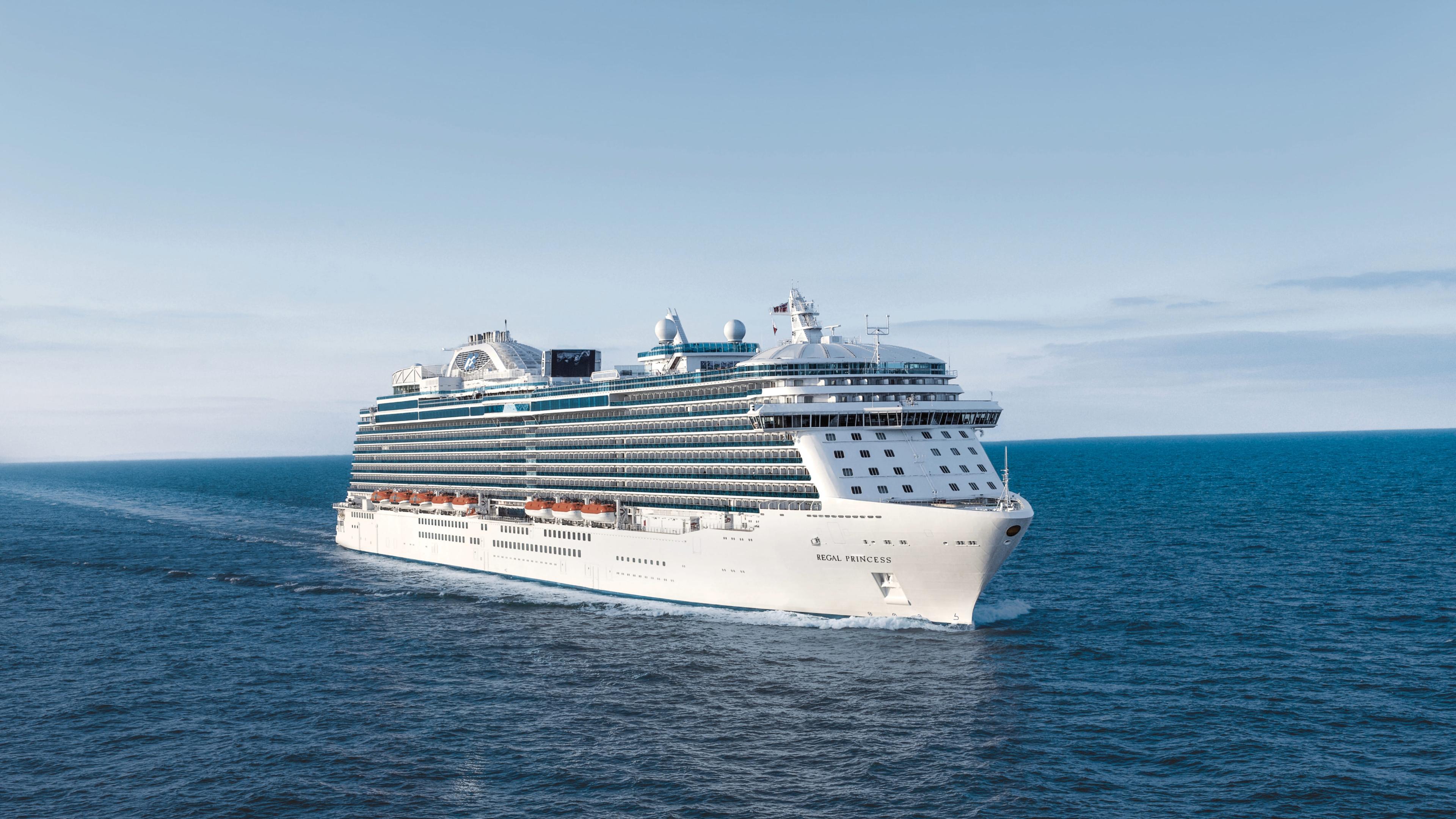

14 NIGHT Europe CRUISE
STARTING AT
$4234.00
per person
15 NIGHT Europe CRUISE
STARTING AT
$3742.00
per person