
Quick Overview
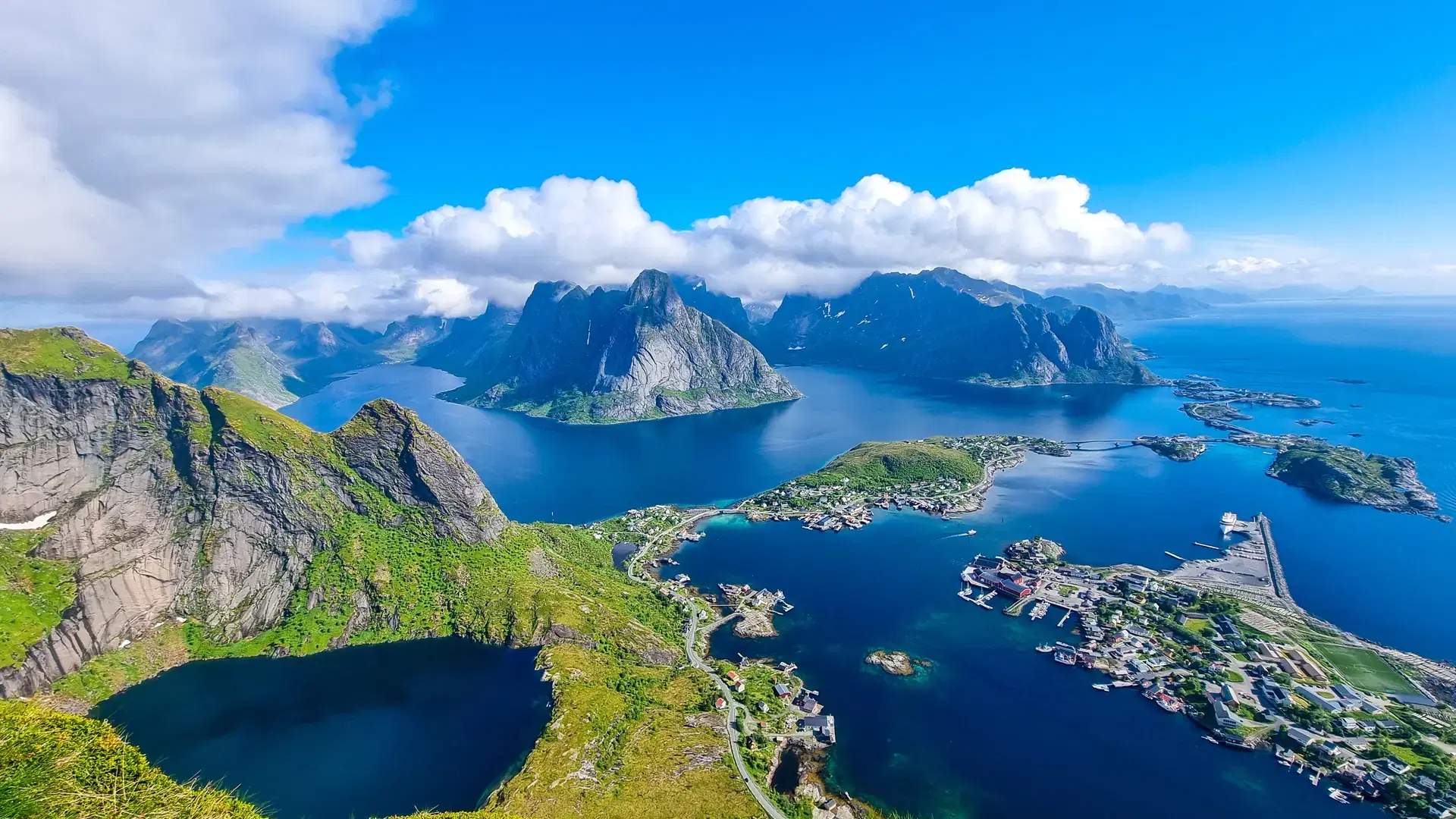
Bear Island sits alone in the Barents Sea between mainland Norway and Svalbard, defined by dramatic cliffs, rolling tundra, and endless sky. There is no town or tourist hub, only raw landscape and wildlife. Cruise visits here are about observation and atmosphere rather than activity. The experience feels quiet, expansive, and deeply immersive, shaped entirely by nature and weather.
Why Visit
Bear Island appeals to travelers drawn to true remoteness and natural spectacle. This is one of the most isolated stops on Arctic itineraries, and that isolation is the main attraction. The island is known for towering seabird cliffs, wide open seas, and a feeling of exposure that heightens every sense. There are no crowds, shops, or distractions, only wind, waves, and wildlife. Visiting Bear Island offers perspective on how small humans are within the Arctic environment. It is a destination for those who value quiet moments, photography, and a deeper connection to untouched landscapes rather than traditional sightseeing.
Things To Do
Top Activity 1: Seabird Cliff Viewing The cliffs of Bear Island are home to vast seabird colonies, creating one of the most striking wildlife scenes in the region. From the ship, you can watch birds circling, nesting, and diving into the sea below. The sound and movement bring the landscape to life and make this a highlight for nature lovers and photographers.
Top Activity 2: Scenic Cruising and Observation Cruising along the coastline allows you to absorb the island's shape and scale. Steep rock faces, sloping tundra, and changing light create constantly shifting views. Standing on deck or watching from inside lounges offers a peaceful way to experience the Arctic without leaving the ship.
Lesser Known Gem: The Sense of Silence One of Bear Island's most powerful features is the quiet between moments of wind and wildlife. The absence of human noise makes even small sounds feel amplified. This stillness often becomes the most memorable part of the visit, leaving a lasting emotional impression.
Cruise Port Information
Bear Island does not have a port or docking facilities. Cruise ships remain offshore and experience the island through scenic cruising rather than landings. Routes and time spent near the island depend on sea and weather conditions, which can change quickly in this region. Onboard experts often provide commentary about geology, wildlife, and Arctic ecology, adding depth to what you see. Viewing is entirely ship based, with multiple vantage points available for photography and observation.
Practical Tips
Spring: temperatures often range from the mid 20s to mid 30s F Summer: temperatures usually sit between the high 30s and low 50s F Autumn: temperatures commonly fall from the low 30s to low 40s F Winter: temperatures are typically in the teens to low 30s F
Dress warmly with wind resistant outer layers, as conditions can feel colder at sea. Gloves and hats are important for extended deck time. Binoculars enhance wildlife viewing. Move around the ship to experience different angles and light. Accept that plans may adjust due to weather, and embrace the unpredictability that makes Bear Island such a rare and powerful Arctic experience.
Bear Island, Norway Sailings

18 NIGHT Arctic CRUISE
STARTING AT
$31050.00
per person
9 NIGHT Arctic CRUISE
STARTING AT
$19200.00
per person
9 NIGHT Arctic CRUISE
STARTING AT
$19150.00
per person