Quick Overview
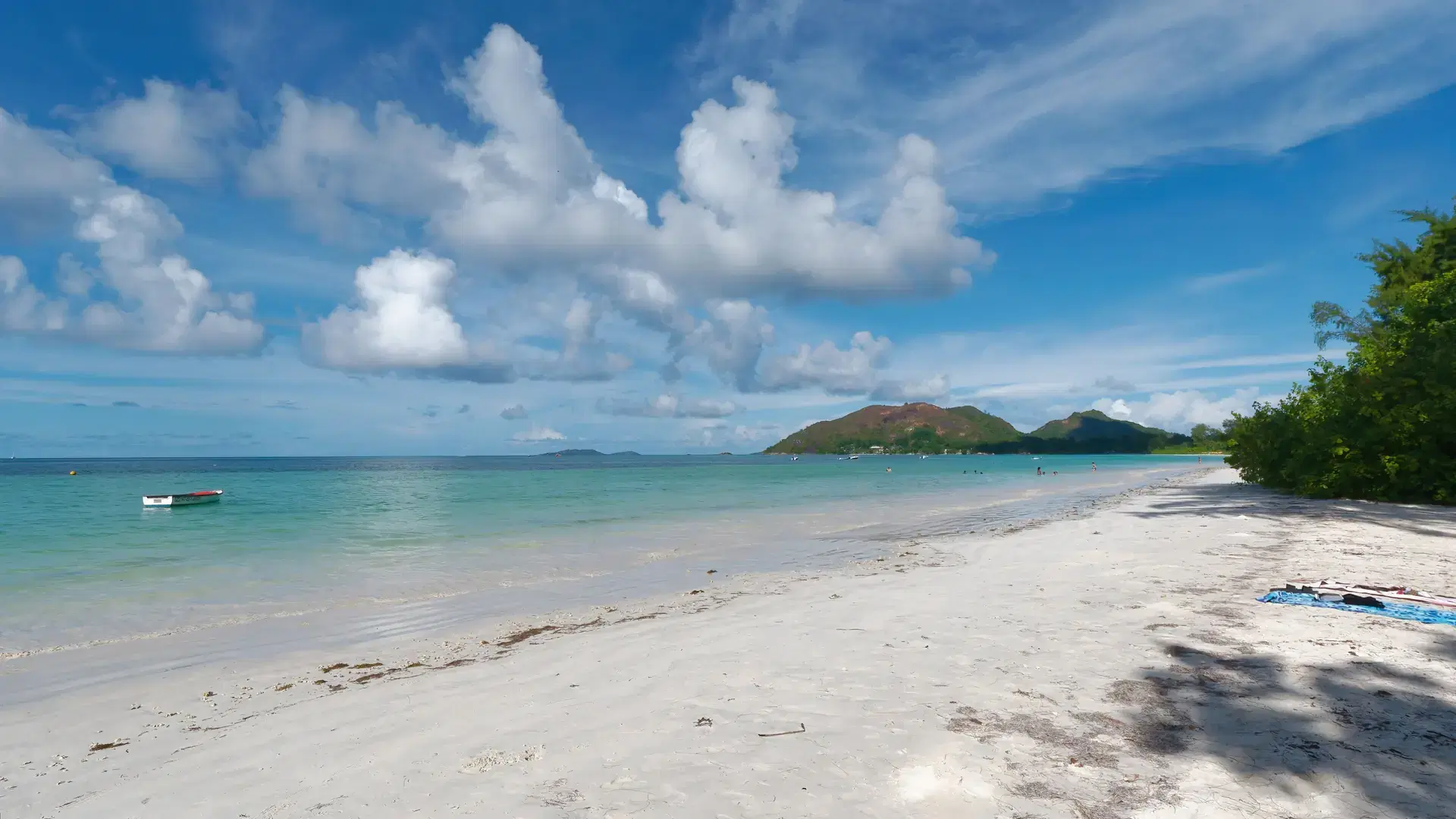
Aldabra is one of the most remote and protected places a cruise ship can reach. This coral atoll in the Seychelles is famous for its untouched landscapes, massive population of giant tortoises, and pristine lagoons. There are no towns, resorts, or crowds here, only raw nature shaped by tides and time. Visiting Aldabra feels less like sightseeing and more like being invited into a living nature reserve.
Why Visit
Aldabra is for travelers who value rarity over comfort and authenticity over convenience. It is a UNESCO protected site and one of the largest raised coral atolls on Earth, home to wildlife that thrives because human impact is minimal. Giant tortoises roam freely, seabirds nest in vast numbers, and marine life flourishes in clear shallow waters. There are no shops or entertainment venues to distract from the experience. Instead, the reward is perspective, seeing how ecosystems function when left largely untouched. For many cruisers, a visit here becomes a once in a lifetime memory rooted in quiet wonder rather than activity.
Things To Do
Top Activity 1: Giant Tortoise Encounters Aldabra is home to the world's largest population of giant tortoises, and seeing them in their natural environment is unforgettable. These ancient creatures move slowly across the coral landscape, often unfazed by visitors. Guided walks allow you to observe them responsibly while learning about their behavior and conservation. The experience feels intimate and humbling, offering a rare connection to wildlife that has survived for centuries.
Top Activity 2: Lagoon and Reef Exploration The atoll's lagoon system is a highlight, with shallow waters that reveal fish, rays, and coral formations. Depending on conditions and permits, guided snorkeling or shore exploration may be available. The water clarity and lack of development make marine encounters especially vivid. Even simply standing near the lagoon edge and watching tidal changes offers insight into how this ecosystem sustains itself.
Lesser Known Gem: Birdlife Observation Aldabra supports one of the most important seabird populations in the Indian Ocean. Frigatebirds, tropicbirds, and many other species nest and glide overhead in remarkable numbers. Quiet observation points allow visitors to watch daily bird activity without disturbance. For nature lovers and photographers, this often becomes one of the most rewarding parts of the visit.
Cruise Port Information
There is no developed cruise port at Aldabra. Ships anchor offshore, and visits are carefully controlled to protect the environment. Passengers typically go ashore by small tender boats, accompanied by guides and subject to strict regulations. Access is limited, and not all itineraries are approved to land. Conditions can change based on weather, tides, and conservation rules. When landings do occur, they are structured, educational, and focused entirely on preservation.
Practical Tips
Spring: 75 to 85 F Summer: 78 to 88 F Autumn: 77 to 86 F Winter: 72 to 82 F
Wear lightweight clothing, sturdy walking shoes, and sun protection. Bring reef safe sunscreen and follow all guide instructions closely. There are no facilities ashore, so carry water as advised by your cruise staff. Transportation on land is by foot only, reinforcing the sense that you are a guest in a fragile and extraordinary place.